REVIEW · EDINBURGH
From Edinburgh: Glamis and Dunnottar Castles Tour in Spanish
Book on GetYourGuide →Operated by Viajar Por Escocia · Bookable on GetYourGuide
A day trip in Spanish can still feel like a local adventure. You’ll get Glamis Castle with its Macbeth connection and ghost legends, plus Dunnottar Castle set on dramatic coastal cliffs. The main thing to consider: the tour is in Spanish, so if you’re a true beginner, you’ll want to count on your guide for clarity when needed.
I also like that this itinerary doesn’t just drop you at castles and leave you alone. You get built-in story stops along the way, from the Forth Bridge area to a Dundee glimpse of the RRS Discovery, so the drive feels like part of the experience. The drawback is simple: it’s a long day (about 10 hours), and you’re on your feet in castles with comfortable shoes as your best friend.
If you want a well-paced history-and-ghosts day without hiring a car, this tour is a strong match.
In This Review
- Key highlights at a glance
- Price and logistics: is $71 worth a 10-hour day?
- Start point in Edinburgh: making the morning painless
- North Queensferry first stop: a quick dose of iconic Scotland
- Glamis Castle: Macbeth, ghost legends, and the most atmospheric rooms
- Stonehaven stop: lunch break plus the “coastal drive” feeling
- Dunnottar Castle on the cliffs: independence-era drama in real stone
- Dundee glimpse and the RRS Discovery: a change of pace at the end
- Back through Silicon Glen: modern Scotland between old-world stops
- Language and guidance: Spanish tour, flexible clarity when you need it
- What to bring (and what to skip) for a comfortable castle day
- Who should book this Spanish Glamis and Dunnottar day trip?
- Should you book this tour?
- FAQ
- What time does the tour leave Edinburgh and when does it return?
- Where is the meeting point in Edinburgh?
- Is lunch included?
- Are entrance fees included in the price?
- What language is the tour guide?
- Is the tour suitable for people with mobility impairments?
Key highlights at a glance
- Spanish-guided castles with practical explanations, even if your Spanish is basic
- Glamis Castle’s haunted-room legends and the Macbeth link
- Dunnottar Castle’s cliff setting and its 14th-century Independence-era role
- North Queensferry and the Forth Bridge area as a scenic warm-up stop
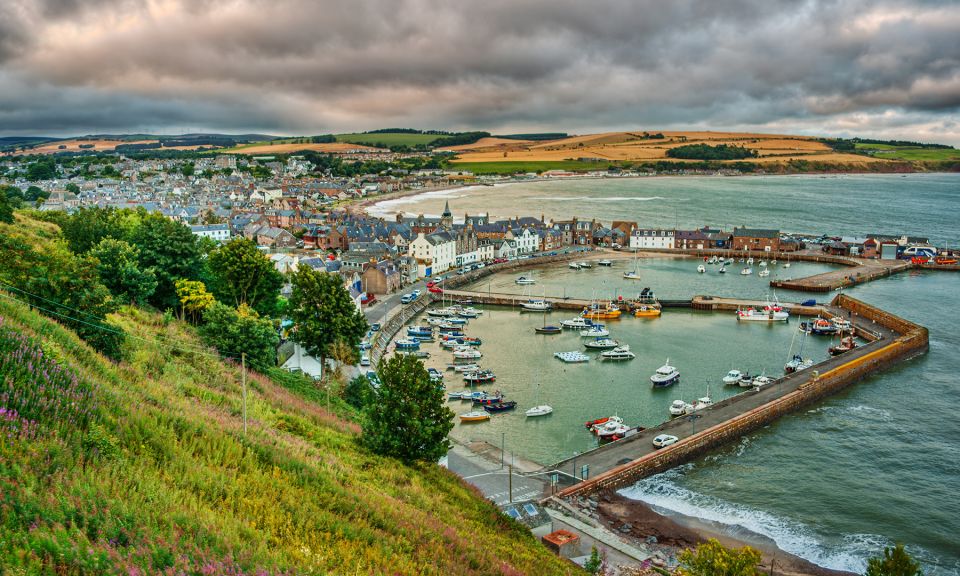
- Stonehaven for lunch on your own, plus coastal views en route
- A Dundee stop that includes a quick look at the RRS Discovery
Price and logistics: is $71 worth a 10-hour day?
At about $71 per person for roughly 10 hours, this is priced like a value-minded day tour rather than an everything-in-one private outing. What you’re paying for is the hard part: transport from central Edinburgh and a professional guide who keeps the day moving and meaningfully connected.
Here’s what’s included:
- Professional guide
- Transport by minivan or coach
Here’s what’s not included:
- Entrance fees
- Food and drinks
So the real cost picture is: you’ll likely add entrance tickets (and lunch). If you were planning to visit just one castle, you might spend similar money on admissions plus transportation. Doing both, with guided context, usually makes the value feel right—especially if you hate the stress of driving on the outside lanes and finding parking.
One more practical note: you’ll depart Edinburgh around 08:00 and return around 18:15. That’s a full day, so plan a proper breakfast, keep water handy, and accept that this is a walk-and-stand kind of day, not a sit-in-a-café day.
You can also read our reviews of more tours and experiences in Edinburgh.


Start point in Edinburgh: making the morning painless
The tour meets at 190 High Street, Royal Mile (EH1 1RW), and it ends back at the same point. That matters more than it sounds. When the meeting point is easy to reach, you waste less time with transit wrangling—especially on a day that already starts early.
Because the language is Spanish, arrive with a small mindset shift: the guide’s job is to explain the stories and historical threads. You don’t have to be fluent to follow the big picture. In fact, I’d treat this as a tour where understanding grows through repetition: castle name, era, key characters, then the ghost legends and cliff scenery you can see with your own eyes.
The “who is it for?” answer is also tied to this morning start. If you love early starts and enjoy moving from place to place with a group, you’ll likely feel energized. If you’re fragile with mornings, you might want to schedule less the night before so you can handle the pace.
North Queensferry first stop: a quick dose of iconic Scotland
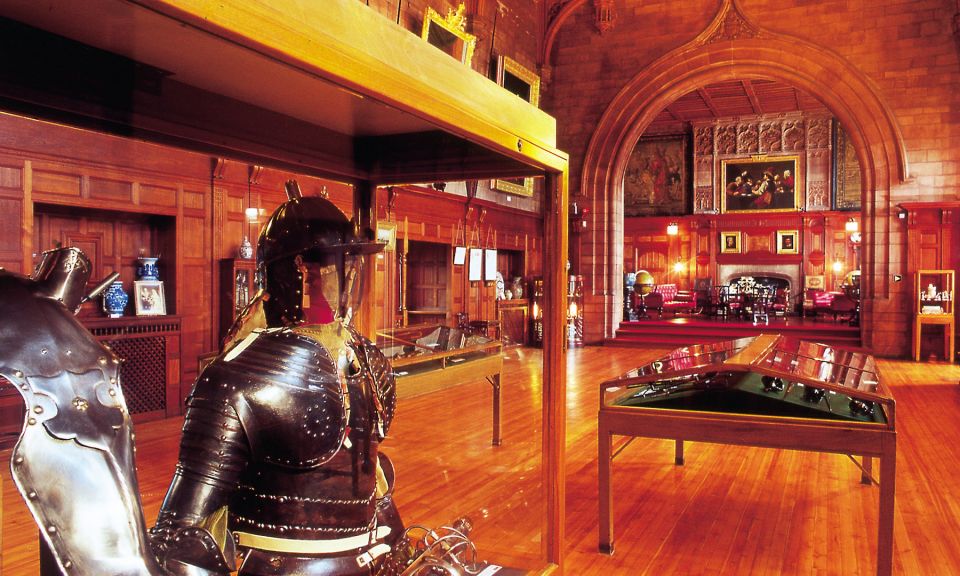
After leaving Edinburgh around 08:00, the itinerary stops in North Queensferry. This is your first visual reward: a chance to contemplate the famous bridge over the Forth River area before you head deeper into Aberdeenshire.
Why this stop works: it gives you a change of scenery fast. You go from the city pace into real-world Scotland—river, coastline energy, and that sense of “we’re actually going somewhere now.” It’s also a useful buffer. Even a short stop like this helps everyone settle into the day, use restrooms, and take a breath before the first major visit.
If you’re thinking about photos, this is an easy place to get them without paying any entrance fee. Just be ready for Scottish weather: wind can hit hard along coastal viewpoints.
Glamis Castle: Macbeth, ghost legends, and the most atmospheric rooms
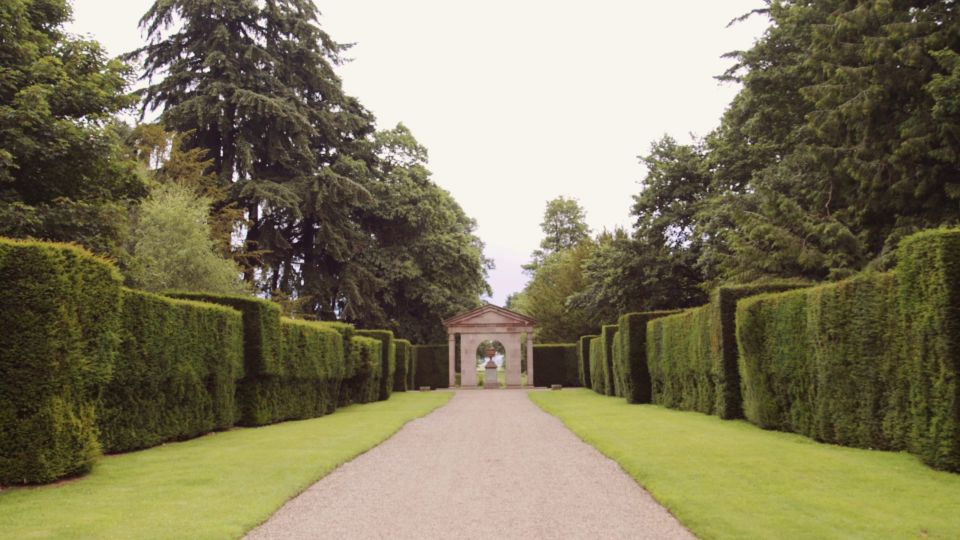
Next up is Glamis Castle, and it’s the kind of place that makes people sit up a little straighter. You’ll hear the Macbeth connection, centered on the story of King Duncan being murdered by Macbeth. That alone is a strong reason to visit if you like literature links, but Glamis goes further.
The standout element is the way the tour focuses on the castle’s haunted reputation—ghost legends that are tied to the rooms and stories associated with the estate. Whether you fully believe the legends or treat them as theatrical storytelling, it changes the tone of the visit. You’re not just looking at stone. You’re listening for meaning.
A few things I’d watch for during your time there:
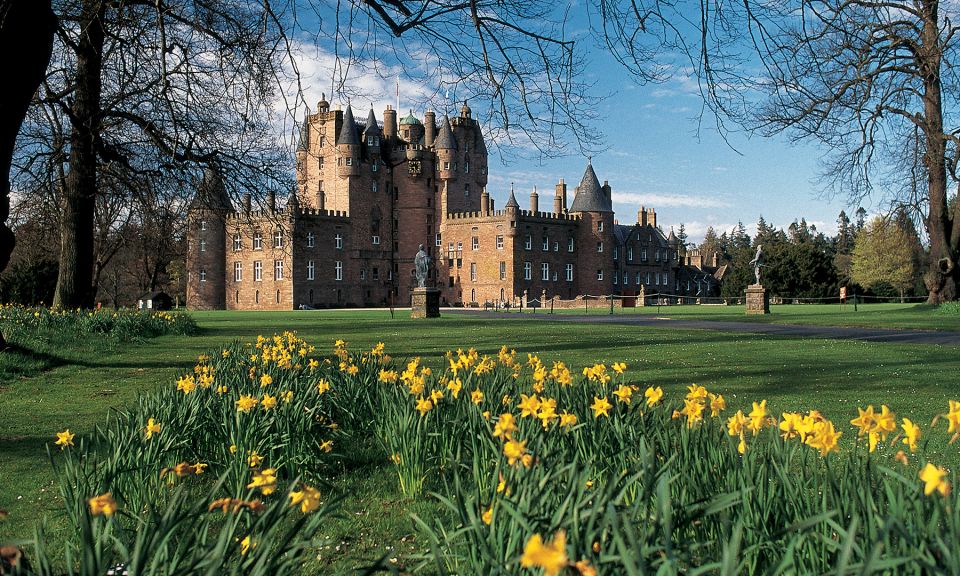
- The outline of towers and pinnacles: this is part of the castle’s visual identity, so look up and take it in before you focus on details.
- The ghost-story framing: it’s designed to make the visit feel more alive, not like a museum script.
- The gardens: the experience includes access to the magnificent gardens, which gives you a break from interior storytelling and a chance to experience the estate as a lived environment.
One practical consideration: this is a castle, not a flat route. Wear shoes with solid grip. If you have ankle issues, this is not the day to go with slippery footwear.
Stonehaven stop: lunch break plus the “coastal drive” feeling
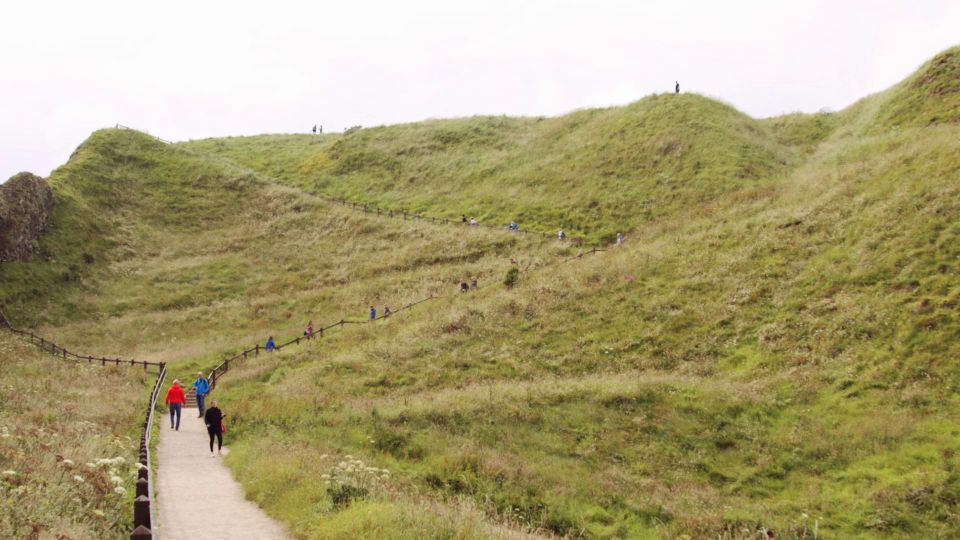
After Glamis, you continue to Stonehaven, where you’ll have time for lunch. Lunch is not included, so plan to buy something there (or bring what you need if your group/time allows). This break is important because it resets energy before Dunnottar Castle, which tends to be more physically intense thanks to the cliff-side setting.
What I like about including Stonehaven: the drive between stops gives you a clearer sense of the region. You get farming fields on one side and the coastal route on the other, which helps you understand what you’re seeing at Dunnottar. The castle doesn’t sit in a vacuum. It’s part of a working coastline and countryside that shaped its strategic value.
If you’re the type who likes to optimize a day, use this stop for:
- food you can eat quickly
- a restroom break
- a quick weather check so you can dress accordingly for the next coastal viewpoint






Dunnottar Castle on the cliffs: independence-era drama in real stone
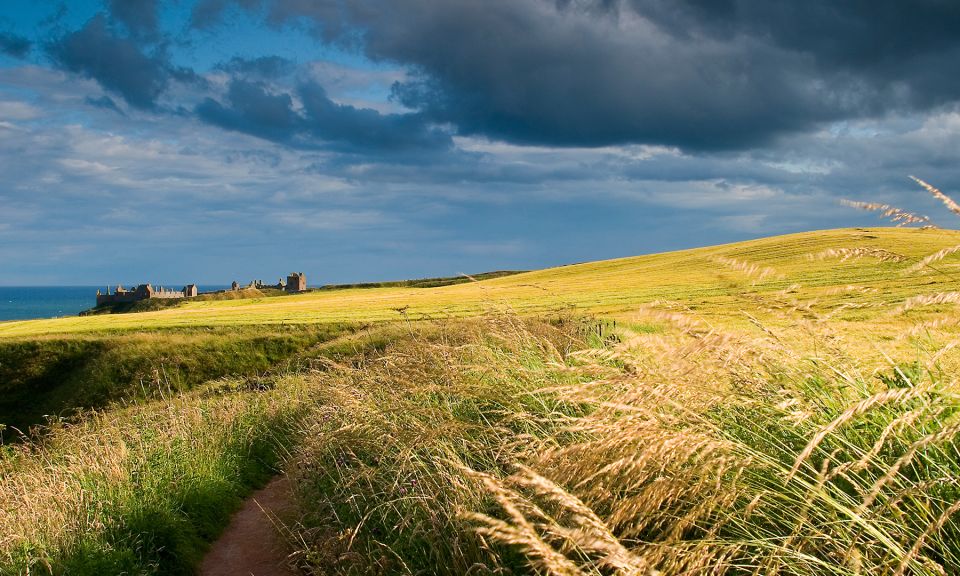
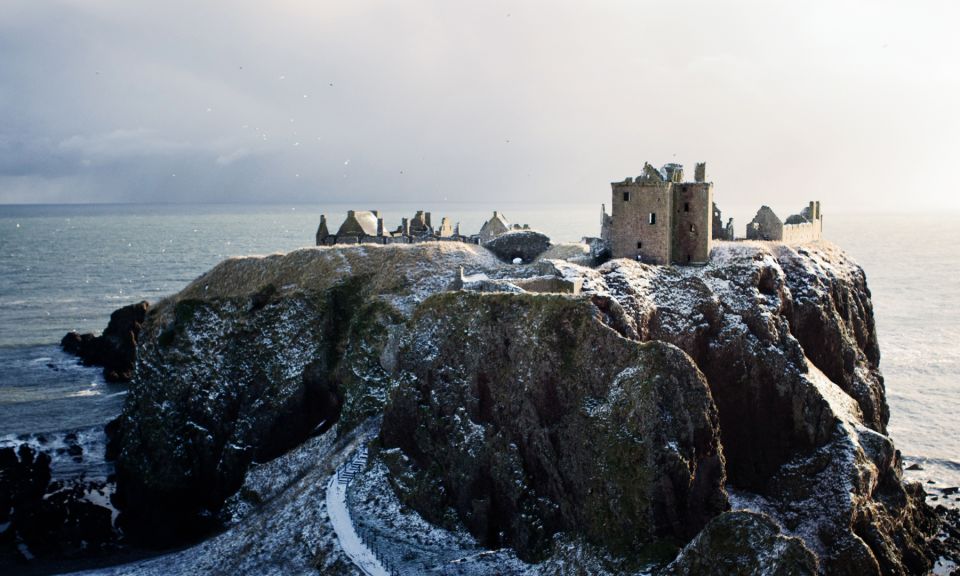
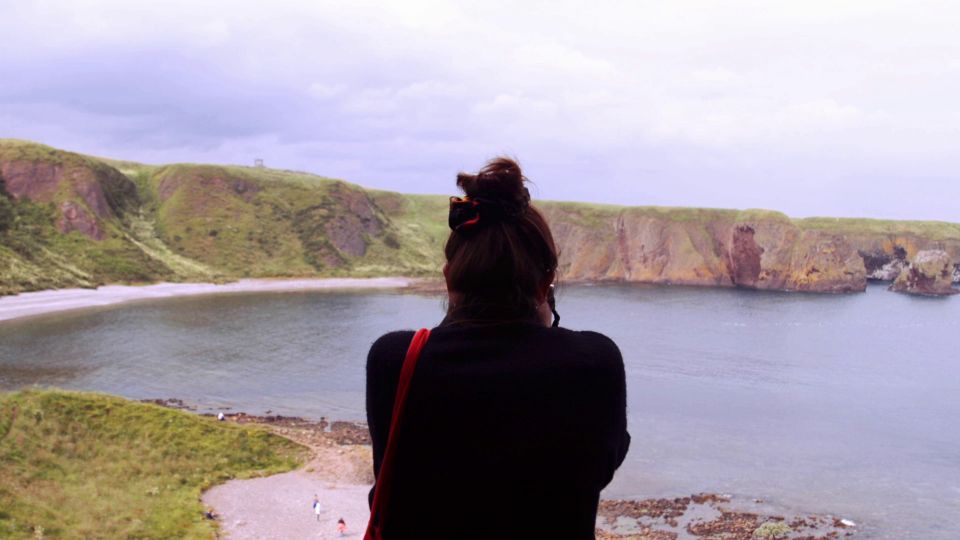
Then comes Dunnottar Castle, and this is the reason the day feels cinematic even without a soundtrack. The setting is dramatic: the castle sits on cliffs along the Scottish coast, and that position is not just scenic—it’s strategic.
You’ll hear how it became a key site during the dark years of the Independence wars in the 14th century. You’ll also learn that Robert Bruce conquered it, which adds weight to what you’re standing in front of. This isn’t just “old rocks.” It’s a place tied to turning points.
Why it’s so good as a guided visit:
- The cliff setting makes the stories more believable. You can look out over the coastal drop-offs and understand why control of this location mattered.
- The guide ties the castle’s past to its lasting cultural pull. The dramatic position has inspired painters, writers, and film directors.
The biggest drawback for some people is also the simplest: the cliffs mean wind and exposure. Even on a mild day, you might feel chilled. Bring a layer you can handle. And again: comfortable shoes are essential, because uneven ground is part of the package.
Dundee glimpse and the RRS Discovery: a change of pace at the end
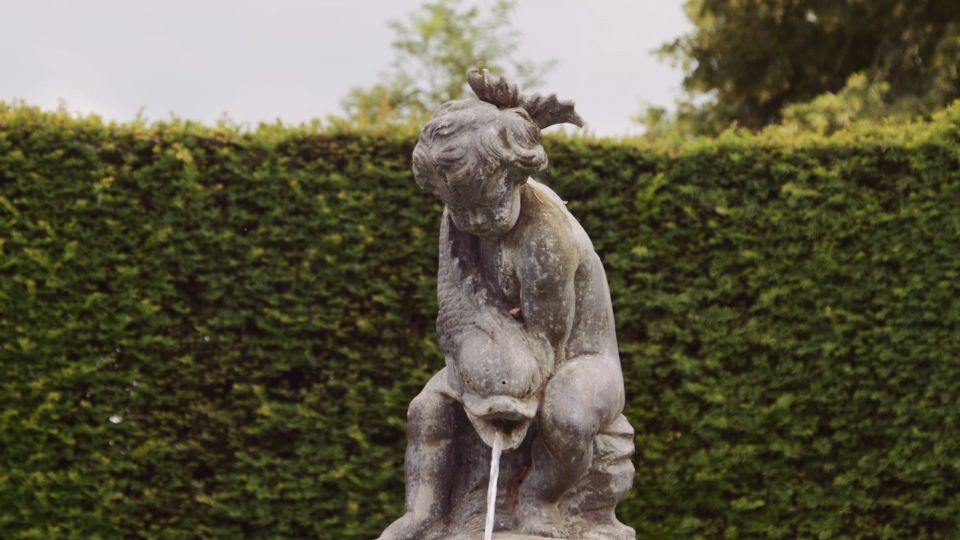
Your final stop is Dundee, where you’ll get a glimpse of the RRS Discovery—the wooden three-masted ship that carried Captain Scott on his first successful Antarctic journey.
This stop matters because it prevents the day from ending on purely medieval vibes. You go from castle stone to maritime exploration. It’s a smart closing note that expands the “Scotland story” beyond one era.
Even though it’s a shorter look rather than a full museum-style visit (based on the tour outline), it’s still a meaningful moment. If you like exploration history, it gives you something memorable that’s different from the haunted rooms and cliff fortifications.
Back through Silicon Glen: modern Scotland between old-world stops
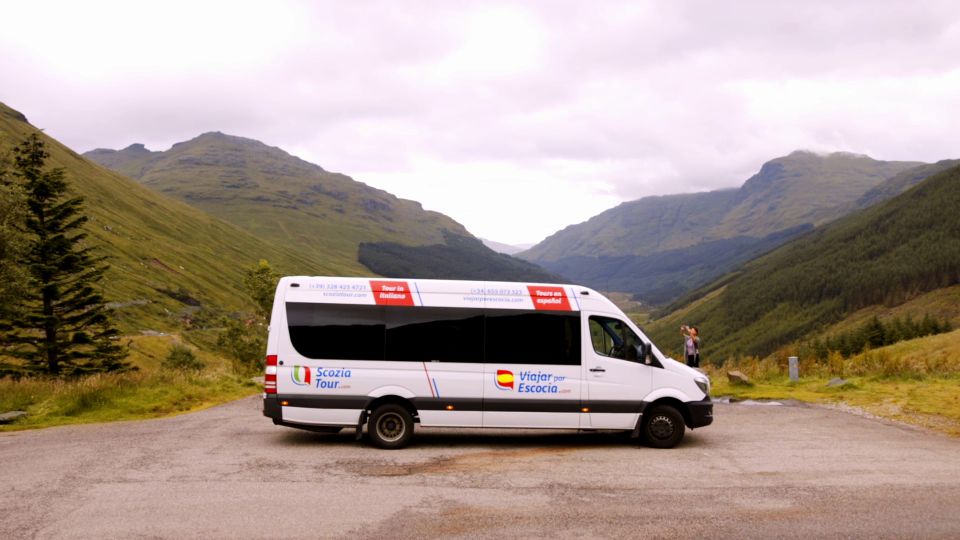
On the way back to Edinburgh, you’ll pass through Silicon Glen, the Scottish Silicon Valley area. You’ll see how high-tech companies are mixed with rural fields and lakes in a region important to the country’s economy.
This might sound like a random drive-by, but it adds a useful contrast. It’s the reminder that Scotland isn’t only castles and legends—it’s also working industry, innovation, and jobs today. After a day of history, this modern snapshot helps the trip feel real and current.
If you’re the kind of traveler who likes context, you’ll probably enjoy this kind of “place in time” moment. If you just want maximum quiet on the bus, you might treat it as a scenery break.
Language and guidance: Spanish tour, flexible clarity when you need it
This is one of the tour’s most praised features. The tour is live-guided in Spanish, but the guide support seems to be more flexible than you might expect.
In particular, I noticed strong emphasis on how guides helped non-Spanish speakers stay on track. One Spanish tour participant, who wasn’t Spanish speaking, said the guide still explained important information in English when needed. Another highlight from the same pattern: Alesh was described as attentive and helpful, and he went out of his way to find an English-speaking option to join at Glamis Castle.
That tells me something practical: if your Spanish is basic, don’t panic. The guide’s job is to keep the group informed and connected to what you’re seeing. The stories still land because they’re built around visible landmarks—castle silhouettes, tower lines, cliff walls, and the named places you visit.
Still, it’s worth setting expectations. If you want full narration at native-level Spanish speed without any fallback, you might find it challenging. But if you’re open to a mix of languages and you care more about the sites than perfect comprehension, this tour can work very well.
What to bring (and what to skip) for a comfortable castle day
You’re walking in castles and spending time outdoors at cliff and viewpoint areas. Based on the tour guidance, stick with:
- Comfortable shoes
And I’d add what usually helps on Scottish full-day tours, without overcomplicating it:
- a light layer for wind
- a small umbrella or rain jacket if the forecast looks sketchy
- water and a snack plan for the long day (since food isn’t included)
Skip anything that slows you down. This isn’t the time for shoes that need a break-in week.
Who should book this Spanish Glamis and Dunnottar day trip?
I’d point you here if you:
- want two major castles in one day without the logistics of driving
- like historical stories that connect to literature and famous figures
- enjoy ghost legends as part of the storytelling atmosphere
- would rather take a guided group tour than hunt for entrances and timing on your own
- want the tour experience in Spanish, but can accept help if your Spanish is limited
I’d think twice if:
- you have mobility challenges, since the tour is not suitable for people with mobility impairments
- you get wiped out by long travel days and lots of standing/walking
- you strongly prefer self-paced exploration, because this is structured around scheduled stops
Should you book this tour?
If you want a single-day hit of Scotland’s most atmospheric castle settings—haunted Glamis plus clifftop Dunnottar—and you’re okay adding entrance tickets and handling lunch on your own, I think booking makes sense. The value is strongest when you treat the guide as part of the experience, not just transportation.
The final decision comes down to one thing: your comfort with Spanish-led narration. If you’re fine with guidance that can explain key points clearly (including English support when needed), this tour is a great way to turn one day into a story-filled Scotland day.
FAQ
What time does the tour leave Edinburgh and when does it return?
It departs Edinburgh at 08:00 and returns at approximately 18:15.
Where is the meeting point in Edinburgh?
The meeting point is at 190 High Street, Royal Mile, Edinburgh (EH1 1RW).
Is lunch included?
No. Lunch is not included, and you’ll have time in Stonehaven for lunch.
Are entrance fees included in the price?
No. Entrance fees are not included.
What language is the tour guide?
The tour is guided live in Spanish.
Is the tour suitable for people with mobility impairments?
No. It is not suitable for people with mobility impairments.