REVIEW · EDINBURGH
Edinburgh Express: Small-Group Walking Tour in French
Book on GetYourGuide →Operated by Wee Ecosse Ltd · Bookable on GetYourGuide
Two hours can change how you see Edinburgh. This French walking tour is built for fast orientation, with a tight route through the Old Town highlights you’ll keep hearing about afterward. I especially like how it answers the big questions first, so the streets make sense instead of just looking scenic.
One thing to plan around: you’ll pass by Edinburgh Castle, not go inside. If castle-entry is your top priority, treat this as the warm-up, then book a separate Castle time.
For the money, you’re paying for structure: a small group, live guidance in French, and a walk that connects places like the Royal Mile, Victoria Street, and the Greyfriars area to the ideas behind Edinburgh’s layout. You also finish back on the Royal Mile, ready to keep exploring with clearer bearings.
In This Review
- Key things I’d circle before you book
- Why a 2-hour Old Town walk is the smartest first move
- Starting at the Scott Monument: find the group fast
- Royal Mile and Mercat Cross: the spine of the city
- Edinburgh Castle: why passing by can still be worth it
- Victoria Street and the Grassmarket: street life with a storyline
- Greyfriars Kirkyard: where closes start to feel real
- Live French guide tips: how to enjoy it without getting lost
- Weather, toilets, and walking comfort in Edinburgh
- Price and value: what $41 buys you (and what it doesn’t)
- Who this tour suits best
- Should you book this Edinburgh Express French walking tour?
- FAQ
- What language is the tour?
- How long is the Edinburgh Express Old Town walking tour in French?
- Where does the tour start and where does it end?
- Is Edinburgh Castle included?
- Does the tour include Holyrood or underground passages?
- What group size should I expect?
- What is the cancellation policy?
Key things I’d circle before you book
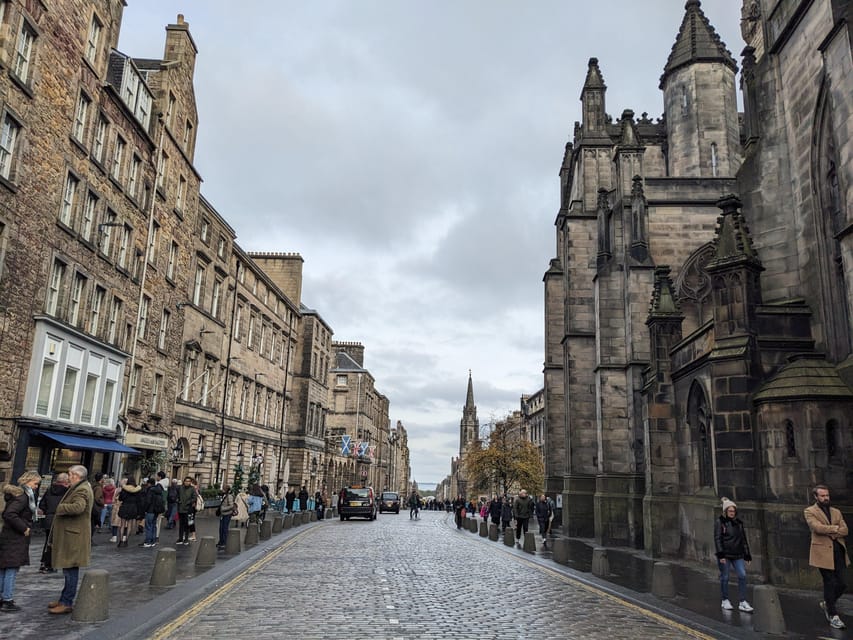
- French-language, small-group pacing (max 11): easier to ask questions and stay together.
- Built-in orientation for Old Town: you get explanations for the Royal Mile, Edinburgh Castle context, and the reason for Old Town density.
- A close look at closes: you’ll learn where those tucked-away passages lead.
- Historic street-to-street flow: Scott Monument to the Royal Mile without feeling like a mad dash.
- Pass-by Edinburgh Castle, not entry: useful for photos and context, not for a full visit.
- A local housing-support donation: part of the tour profits goes to a local association tackling inadequate housing.
Why a 2-hour Old Town walk is the smartest first move

Edinburgh can feel like a maze until someone gives you the logic behind it. In this format, you’re not trying to do everything. You’re trying to understand how the city is organized, so your later self-guided wandering gets easier fast.
I like that the tour is explicit about what it will explain: how Edinburgh became Scotland’s capital, why Old Town is so packed, what the Royal Mile actually is, and what you’re looking at when you see the Castle. That kind of framing matters because Old Town is dense by design, and without context it’s easy to miss what makes it distinctive.
Also, the pace is designed for real sightseeing, not a long bus tour. You’re walking through the kind of central streets that are easiest to enjoy on foot: narrow passages, viewpoints, and street scenes that don’t translate well from a window.
This is a good choice when you have one morning or afternoon and you want confidence before you start buying tickets for bigger sites.
You can also read our reviews of more walking tours in Edinburgh



Starting at the Scott Monument: find the group fast
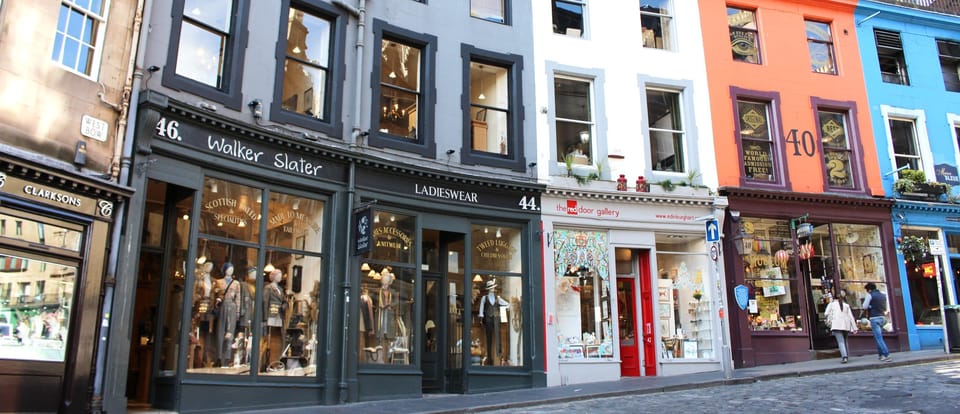
The meeting point is the statue of David Livingstone, at the foot of Scott Monument. If you use maps, pin that exact wording. Getting to the right spot beats arriving early only to stand around wondering where “near the monument” really means.
From there, you start with the kind of visual reference point that helps you later understand the city’s slope and sightlines. I like starts like this because they give you a mental anchor. When your feet are moving, your brain keeps comparing what you see to the landmark you began with.
You’ll want comfortable shoes right away. Even on a “2 hours” tour, the walk is still city walking on real pavement, and Edinburgh weather can add friction.
If you’re bringing a camera, start thinking in sequences. Old Town photographs better when you move in small chunks and then pause. This tour does that naturally by guiding you street-by-street.
Royal Mile and Mercat Cross: the spine of the city
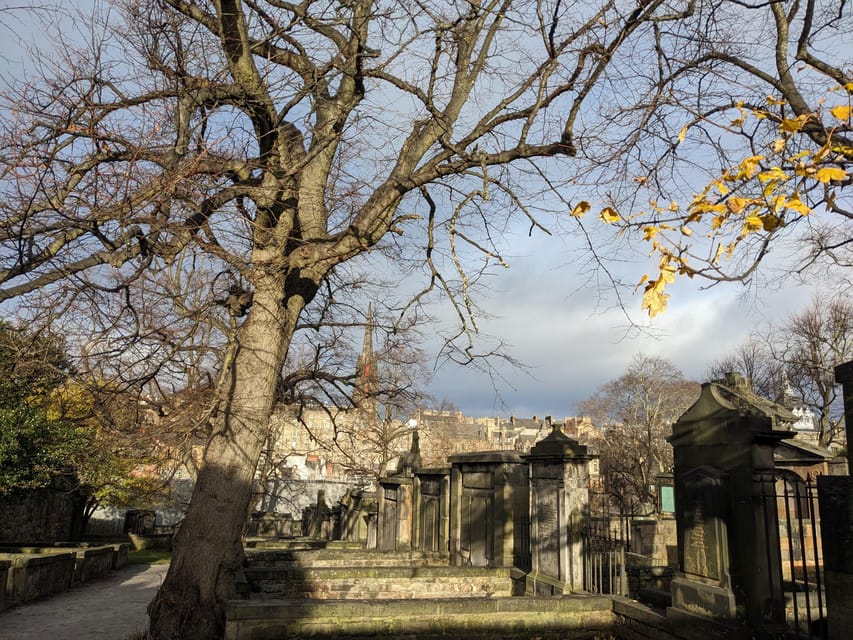
Your first guided stretch runs along the Royal Mile, and then you move to Mercat Cross. This part matters because it connects the big, famous names to the actual experience of walking them.
Here’s the practical value: when someone explains what the Royal Mile is, it stops being just “the main street.” It becomes the story spine of Old Town, the axis that links power, commerce, and the layout you’re about to walk through.
At Mercat Cross, the guide’s commentary helps you understand why this area is treated as an important civic point. You’re not just looking at a landmark; you’re learning how Edinburgh’s public spaces shaped daily life and movement.
This segment also sets expectations for the rest of the walk. If you come in with the right questions—what connects the streets, why the city is dense, and how the Castle fits in—you’ll get more out of every turn after this.
Edinburgh Castle: why passing by can still be worth it
You’ll pass by Edinburgh Castle, with context but without a full visit. That can sound like a drawback, but it’s also smart if you’re trying to avoid decision fatigue.
Passing by gives you two useful things:
- A quick sense of the Castle’s place in the city’s geometry.
- A chance to learn what to notice before you ever buy Castle-entry tickets.
For value, this works especially well if you’re visiting with limited time. You get the narrative without losing hours to ticket lines, interior wandering, and re-routing.
The tradeoff is simple. You won’t cover Castle rooms or underground elements on this walk. But you will leave with enough context to decide what to prioritize later.
If you’re the type who likes seeing the main “why” before the “what inside,” you’ll probably prefer this approach.
Victoria Street and the Grassmarket: street life with a storyline
After the Royal Mile and Mercat Cross, the walk continues to Victoria Street and Grassmarket. I like this section because it shifts your attention from the “big picture” landmarks to the city’s street-level personality.
In a guided format, these streets stop being just pretty and start being interpretable. The guide’s job here is to connect what you’re seeing—different street shapes, vantage points, and built-up density—to the bigger themes you heard earlier.
Victoria Street is where the tour’s explanations help you read the city as a system. It’s also a great place for photos because the street energy makes for natural viewpoints as you move.
Then you’ll hit Grassmarket, another area where walking slowly makes more sense than trying to rush. Even without going inside any major attraction, you’re learning how Old Town’s layout influences how people move and gather in certain spaces.
Practical tip: expect a bit of street traffic and noise around major Old Town corridors. Keep your focus on the guide’s directions and timing. If you lag behind, you’ll miss the connections that make the walk click.




Greyfriars Kirkyard: where closes start to feel real
The last guided stop is Greyfriars Kirkyard. This part of the walk is the one that tends to stick with you, because it’s where Old Town’s narrowness and layered neighborhoods start to feel tangible.
The tour is explicitly set up to answer where the closes lead. Those “closes” aren’t just random alleyways. You get guided insight into how these passageways function in the city’s dense fabric—how they connect blocks, shape movement, and create hidden routes you wouldn’t notice on your own.
With a guide, you’re less likely to treat these areas like atmospheric set dressing. Instead, you start seeing them as infrastructure: small routes that reveal how Old Town manages space.
From a photography angle, this stop usually rewards patience. You don’t need to sprint for the best shot. Stand where the guide tells you, listen for the context, and then take your photo when the scene makes sense.
At the end of this segment, you finish back on the Royal Mile, so you get a natural “return to the main route” feeling instead of getting dropped somewhere random.
Live French guide tips: how to enjoy it without getting lost
This is a live tour guide experience in French, and some content may be shown in its original language. That’s not a problem if your French is basic, but it does change how you should approach listening.
I’d treat this like a guided walk with two layers:
1) You follow the overall meaning of the story.
2) You catch key terms you recognize, like Royal Mile, Edinburgh Castle, and closes.
The small group size (up to 11 people) is a big help here. It makes it easier to hear directions clearly and ask questions at the right moment. If you’re unsure about something, you’re not shouting over a huge crowd.
Also, if Julie is your guide, there’s a consistent theme in the way she leads: passionate and engaging, with a warm, welcoming tone. That kind of delivery matters on a French tour because it helps you feel included even when your vocabulary runs out.
If you’re traveling with friends and one person speaks more French than the other, agree in advance to share what you understand. On a short 2-hour route, teamwork turns language barriers into a fun challenge.
Weather, toilets, and walking comfort in Edinburgh
Edinburgh’s weather is the real co-star of every itinerary. The tour notes are clear: visits continue in wet or inclement weather. The cancellation rule is tied to Met Office amber or red warnings, so in regular rainy conditions you’ll still be outside.
Here’s my practical take:
- Bring a rain layer you can actually move in.
- Wear shoes with grip. Wet cobblestones and slick sidewalks can turn “easy walking” into a slip-fest.
- Expect wind. Even when rain stops, it can stay cold.
Toilets are another real-world issue. Edinburgh has very few public toilets, and the same goes for Glasgow and Inverness. On a 2-hour walk, it’s usually manageable, but it’s still smart to use facilities before you meet.
This tour is also marked wheelchair accessible, which is helpful if you need that option. You’ll still want to dress for the outdoors and plan for uneven pavement.
One more small but important rule: no alcohol or drugs during the tour. It’s a reasonable policy for a guided walking experience and keeps things smooth.
Price and value: what $41 buys you (and what it doesn’t)
At about $41 per person for a 2-hour walking tour, you’re paying for guided time, not for attraction entry. That’s how I evaluate value here.
What’s included:
- A French live guide
- Group insurance
- Costs tied to online booking administration and taxes/social security
- Documentation and surprises during the visit
- A donation from a portion of profits to a local association fighting inadequate housing
What’s not included:
- Edinburgh Castle visit
- Palace of Holyrood
- Any visit to the underground passages
So the value is strongest if you want orientation and explanations more than ticketed attractions. If you’re the type who reads sites better with context, this price feels fair. If you’re only interested in entering big ticket places, you’ll need extra time and separate reservations.
The “surprises” and documentation are small, but I like them because they suggest the guide isn’t just repeating facts. It’s meant to make the walk feel like an experience, not a lecture.
Also, group insurance is one of those details you only appreciate when something goes wrong. On a walking tour in city weather, it’s part of why small-group tours feel safer.
Who this tour suits best
This is a strong match for:
- First-time visitors who want Old Town context fast
- People who prefer walking + explanations over museum hours
- Anyone who wants to understand the Royal Mile, closes, and how the Castle fits into the city’s story
- French speakers or French learners who are comfortable with guided content in French
It’s less ideal if:
- You want a full Edinburgh Castle interior visit as part of this time block
- You’re trying to fit in Holyrood or underground passages in the same 2 hours
If you’re building an itinerary, I’d pair this with separate time blocks for Edinburgh Castle and/or Palace of Holyrood. Use the walk to learn what’s worth your attention once you’re ready to go ticket-first.
Should you book this Edinburgh Express French walking tour?
Yes—if your goal is to get your bearings and understand Old Town’s logic in a short window, this booking makes sense. The small group size, the French live guide, and the focus on key concepts like the Royal Mile and closes give you practical knowledge you can use right away as you explore.
I’d only hesitate if your top priority is entering Edinburgh Castle, because this tour stops at a pass-by. In that case, treat it as a prelude, not a replacement.
If you come prepared for Scottish weather and you like guided walking, you’ll leave with clearer routes, better questions for your next stop, and a much smoother time reading the city as you go.
FAQ
What language is the tour?
The live guide speaks French.
How long is the Edinburgh Express Old Town walking tour in French?
The tour lasts 2 hours.
Where does the tour start and where does it end?
It starts at the statue of David Livingstone at the foot of Scott Monument, and it finishes on the Royal Mile.
Is Edinburgh Castle included?
No. You pass by Edinburgh Castle, but you do not visit it during this tour.
Does the tour include Holyrood or underground passages?
No. Palace of Holyrood and the underground passages are not included.
What group size should I expect?
It’s a small-group tour with a maximum of 11 people.
What is the cancellation policy?
You can cancel up to 24 hours in advance for a full refund. The tour notes also explain that only days declared as amber warning or red warning by the Met Office are cancellable without charge less than 48 hours in advance.