REVIEW · EDINBURGH
Isle of Skye Private 4 Day Tour From Edinburgh or Glasgow
Book on Viator →Operated by Macleod Heilan Tours · Bookable on Viator
Four days, one long set of wow moments. You’ll ride north in comfort with an English-speaking private guide, then slow down on Skye for Cuillin scenery and local stories from John, who grew up there; the only real catch is the price and the fact that Scottish weather can shuffle ferry and timing.
What makes this trip work is the balance: fast enough to cover a lot, slow enough to actually stop and look. You get a smart mix of famous sights (Fairy Pools, Portree, Neist Point) and stops that feel like they belong to the island, not just a checklist. One more practical note: entrance fees and meals are on you, so budget for a few paid options along the way.
In This Review
- Key highlights I’d plan around
- A private Highlands-to-Skye route that doesn’t feel like a sprint
- Day 1: Callander, Glencoe, and the Glenfinnan Viaduct moment
- Callander (and Loch Lomond & Trossachs gateway)
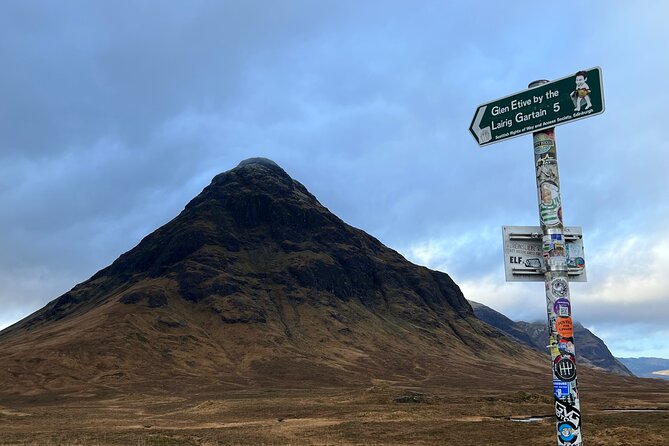
- Glencoe: Buchaille Etive Mor and the Three Sisters
- Glenfinnan Viaduct (21 arches): a stop tied to how you reach Skye
- Old Inverlochy Castle: ruins with real dates attached
- Day 2 on Skye: Sligachan, Fairy Pools, Portree, and the Trotternish sweep
- Sligachan Old Bridge: Cuillin views and legend
- Fairy Pools: a photo-famous hike you can control
- Talisker Distillery: the Wee Dram reset
- Portree for lunch: the harbour set-piece
- Kilt Rock and the Trotternish Ridge circuit: Old Man of Storr and Mealt Falls
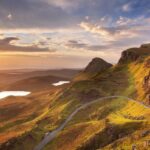
- Quiraing: Britain’s biggest landslide and serious film credits
- Fairy Glen: the cone-shaped hills and folklore
- Day 3 on Skye: Loch Coruisk option, Dunvegan Castle, and Neist Point
- Loch Coruisk: Elgol Pier and the option for the Misty Isle boat cruise
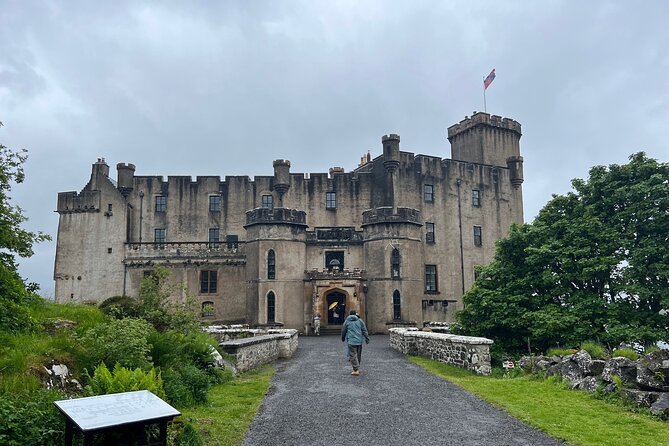
- Dunvegan Castle & Gardens: Clan Macleod for 800 years
- Neist Point: the lighthouse hike and sea-bird watching
- Skye’s weaving angle: a chance to see a bicycle-powered loom
- Dun Beag Broch: an Iron Age fort you can actually picture
- Day 4 southbound: Eilean Donan, Loch Ness cruise option, and Pitlochry
- Eilean Donan Castle: the biscuit tin castle with movie fame
- Loch Ness and Fort Augustus: a town break plus optional cruise
- Pitlochry: gateway between Highlands and Lowlands
- Ending back in Edinburgh with a Firth of Forth finale
- Price and value: what $2,091.18 buys you (and what to budget for)
- Weather, ferries, and how the plan stays flexible
- Who should book this private Skye tour
- Should you book it?
- FAQ
- How long is the Isle of Skye Private 4 Day Tour?
- What time does the tour start?
- Do you offer pickup?
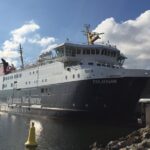
- Is the ferry to Skye included?
- What if the Mallaig ferry isn’t available?
- Are meals included in the price?
- Are entrance fees included?
- What language is the tour offered in?
- What happens if poor weather cancels the tour?
Key highlights I’d plan around
- Skye-first pacing with real time outside the bus windows so you can photograph and wander without feeling rushed
- A local guide named John who uses history and legend to connect the dots between stops
- Ferry to Skye included when it fits, with alternatives if conditions make Mallaig impossible
- A big Day 2 mix: Sligachan, Fairy Pools, Talisker, Portree, and the Trotternish highlights
- Day 3 adds the serious views: Loch Coruisk (boat option), Dunvegan Castle, and Neist Point
- Castles on both ends of the trip: Eilean Donan and a stop at Loch Ness/Fort Augustus before Pitlochry
A private Highlands-to-Skye route that doesn’t feel like a sprint
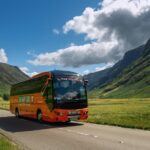
This tour is built for people who want the Highlands and Skye without sharing a vehicle with strangers. You start early (departure at 8:15 am), you get pickup, and you end the trip at a chosen destination. Inside the van, you’re set up with WiFi, bottled water, and air conditioning—small things that make a long day easier.
The schedule is also set up around Scotland’s big truth: weather matters. The plan keeps flex options baked in, especially for reaching Skye. That means you’re not stuck with one “perfect” version of the trip that falls apart the first time the sky changes.
You can also read our reviews of more private tours in Edinburgh
Day 1: Callander, Glencoe, and the Glenfinnan Viaduct moment
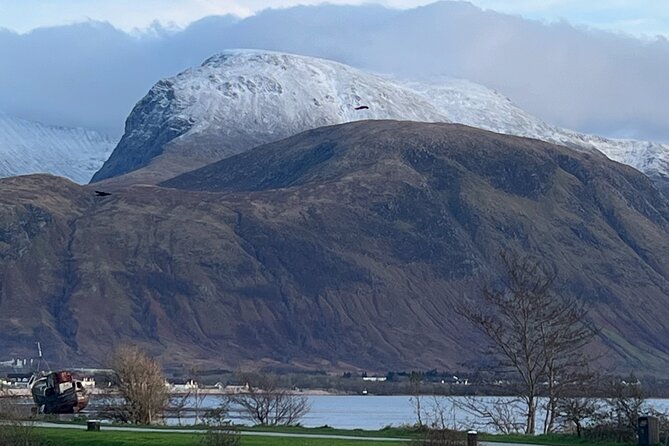
Day 1 is your classic Highlands runway—more “travel with photo breaks” than long hikes. But the key is that every stop is placed where the scenery hits hard.
Callander (and Loch Lomond & Trossachs gateway)
You’ll make a 30-minute stop in Callander, often used as a gateway into the Loch Lomond & Trossachs National Park area. If you depart from Glasgow instead of Edinburgh, there’s a related Loch Lomond stop in Luss. Either way, it’s a good “stretch your legs” break before the day turns more rugged.
I like this kind of first stop because it helps you start reading the region: you see how the terrain shifts, how villages sit in the hills, and how the Highlands begin to feel like their own world.
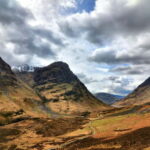
Glencoe: Buchaille Etive Mor and the Three Sisters
Glencoe is next, with about 15 minutes for refreshment and photos. This is where the guide points out the landmarks—like Buchaille Etive Mor, often cited as Scotland’s most photographed mountain, and the Three Sisters rock formation.
If you’re thinking this will feel like a quick drive-by, you’re partly right. But for Glencoe, even short stops can be worth it because the views are instant and the scale is hard to describe without standing there.
Glenfinnan Viaduct (21 arches): a stop tied to how you reach Skye
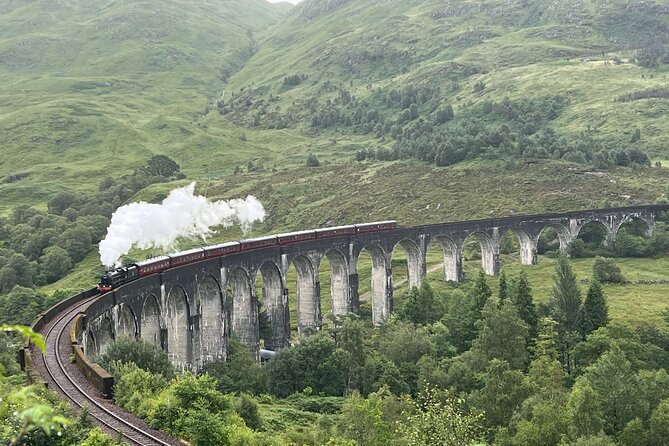
You might get a 30-minute stop at the Glenfinnan Viaduct—a striking 21-arch concrete railway bridge with an unmistakable curve. This one is weather and availability dependent, and it’s linked to whether you can take the Skye ferry from Mallaig.
If the Mallaig ferry doesn’t work, the itinerary notes alternatives: you’ll use the Skye Bridge or the Glenelg Ferry. Translation: your exact scenery along the way may shift, but you still keep the “big dramatic highlight” element.
You can also read our reviews of more tours and experiences in Edinburgh
Old Inverlochy Castle: ruins with real dates attached
You’ll finish the day around Fort William area with a stop for photos at Old Inverlochy Castle, a ruined 12th-century site. It’s remembered partly because it was burned to its current state during Robert the Bruce’s campaigns in 1306.
This is the sort of stop that adds texture. You’re not only seeing places—you’re learning why they mattered. Even with limited time, it helps the next days feel more grounded.
Day 2 on Skye: Sligachan, Fairy Pools, Portree, and the Trotternish sweep
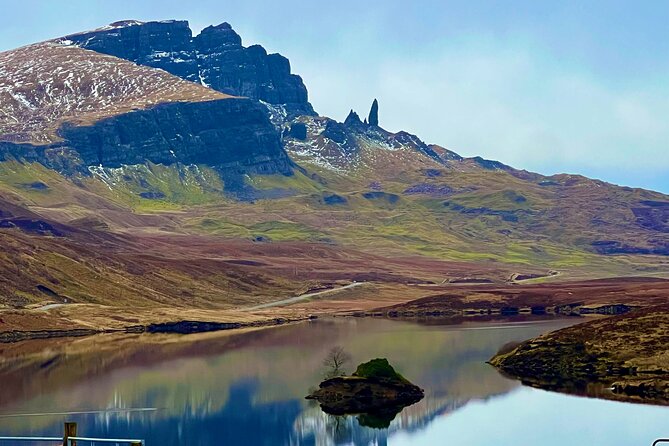
Day 2 is your “Skye hits” day, and it’s packed in the best way: a sequence of stops that step from mountains to water to town to coastal viewpoints.
Sligachan Old Bridge: Cuillin views and legend
You start at Sligachan Old Bridge, where you can look toward the Black and Red Cuillin Mountains. The guide is local—specifically described as someone who grew up on the island—and that matters here. A local guide can point out how the mountains are named and how the culture wraps around them.
There’s also a legend attached to Sligachan, including the idea that washing your face in the river there brings eternal beauty. I’d treat legends as story fuel, not science, but it’s a fun detail you’ll remember when you’re standing at the bridge with the Cuillins in view.
Fairy Pools: a photo-famous hike you can control
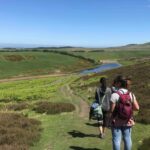
Next up is Fairy Pools. You get about 1 hour 30 minutes and an option to hike to the main pools for that classic photo. The stop also comes with island clan rivalry stories, including a battle associated with the site.
This is one of those places where your footwear and your energy level matter more than your itinerary. If you want the best photos, you’ll need to be willing to walk and maybe get a bit wet. If not, you can still enjoy the area with shorter steps.
Talisker Distillery: the Wee Dram reset
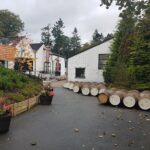
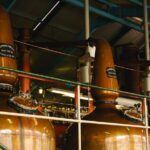
After the walk, it’s a breather: Talisker Distillery for a taster if you like, or time in the visitor centre. Talisker is described as prestigious, with an officially noted opening around 1830, and the centre has recently been renovated.
I love a distillery stop on a road trip because it gives your body a break from the wind. You’re also getting a very Scottish souvenir—something you can enjoy back home even after the views fade.
Portree for lunch: the harbour set-piece
Then comes Portree, the island capital, with about 1 hour 15 minutes for lunch. Portree is small (the tour description notes around 3,000 people) but very photogenic. You’ll see the harbour designed by Thomas Telford, plus colourful houses, a church, and the hill called The Meall in the background.
This is also where you can slow down. Ask the guide for the kind of lunch you want—fast and casual or something that feels like an occasion—and then use the extra time to wander a little.
Kilt Rock and the Trotternish Ridge circuit: Old Man of Storr and Mealt Falls
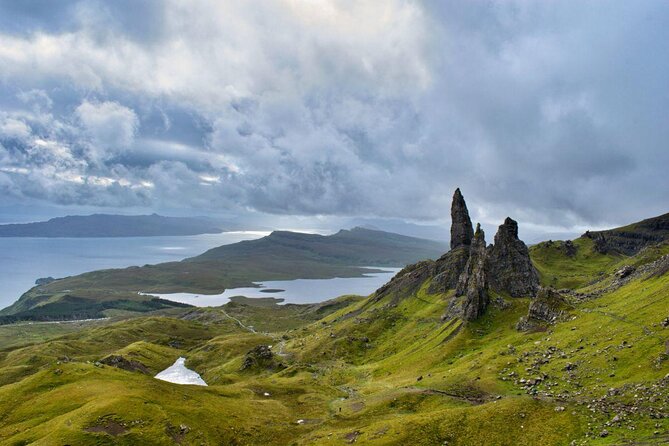
After lunch, you continue the Trotternish Ridge circuit. Stops include Kilt Rock with views to famous nearby sights like the Old Man of Storr and Mealt Falls, described as an impressive sea waterfall. The area also links to dinosaur footprint finds, with mention of a dinosaur museum in the nearby village of Staffin.
Even if you’ve seen these names online, this is the day where they make sense in 3D. The ridge shapes the whole mood, and Kilt Rock gives you that classic Skye “cliff meeting sea” frame.
Quiraing: Britain’s biggest landslide and serious film credits
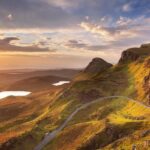
Next is Quiraing, described as Britain’s largest landslide. The viewpoint here feels like you’re watching a film set that never got taken down—used in movies such as Transformers, BFG, and Stardust.
You’ll also get about 20 minutes, which is short, but enough if you’re moving with purpose: pick one or two viewpoints, take photos, and then enjoy the fact that the wind does half the acting for you.
Fairy Glen: the cone-shaped hills and folklore
You finish the day at Fairy Glen (spelled Faerie Glen in the description), with about 45 minutes. It’s full of cone-shaped grassy hills and rock formations, including one called Castle Euan, which looks like a ruined castle.
This is where the guide’s storytelling pays off again, tying the fairy folklore to Skye’s culture. The place is already whimsical—this just adds meaning so it doesn’t feel like “random mystical stop #9.”
Day 3 on Skye: Loch Coruisk option, Dunvegan Castle, and Neist Point
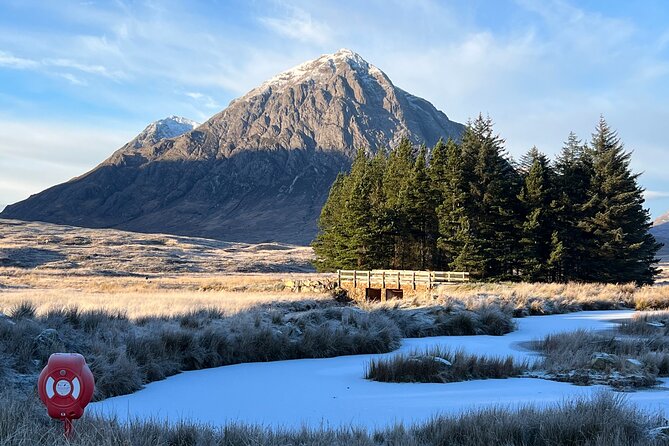
Day 3 is the “let’s go deeper” day, and it’s built around two big ideas: remote coastal views and a major heritage stop.
Loch Coruisk: Elgol Pier and the option for the Misty Isle boat cruise
You head to Elgol for the drive to Loch Coruisk. The plan includes a 1 hour 30 minutes stop time at this segment, with a view from Elgol Pier showing a different aspect of the Black Cuillins.
There’s also an option to book the Misty Isle boat cruise to reach Loch Coruisk, with possible marine life sightings. It’s explicitly weather dependent, and the admission isn’t included.
If you’re the type who wants to see Skye from the water, this is the day. If you hate uncertainty, remember: the guide is working within weather constraints that are outside anyone’s control.
Dunvegan Castle & Gardens: Clan Macleod for 800 years
Next is Dunvegan Castle & Gardens, with about 3 hours. This is home to Clan Macleod, and the description emphasizes something very specific: it’s the only Highland fortress noted as continuously occupied by the same family for 800 years.
You’re not forced to rush through. You also get time for the award-winning Castle Gardens. Depending on timing, lunch can happen here as well.
For me, this stop is what turns Skye from scenery into story. The castle grounds are a physical way to understand the human side of the island.
Neist Point: the lighthouse hike and sea-bird watching
After Dunvegan, you go to Neist Point, about 1 hour 30 minutes. This is described as the most westerly point of Skye and a spot where the views are the point—you’ll hike down to the lighthouse, and it’s worth it.
The sea-cliff setting is busy with seabirds, and the description notes the chance to see whales, dolphins, porpoises, and even basking sharks if you’re lucky. Even without a wildlife sighting, the lighthouse story is strong because the location is so remote.
Skye’s weaving angle: a chance to see a bicycle-powered loom
There’s also a note about Skye having its own version of Harris Tweed, plus a chance to pedal a bicycle-powered loom and watch weaving on site. The wording is cautious here—so treat it as a nice possibility, not a guarantee.
Dun Beag Broch: an Iron Age fort you can actually picture
You end with Dun Beag Broch, an Iron Age fort over 2000 years old, with about 30 minutes on site. It’s described as one of the oldest types of structures in the region, and the tour notes there are over 700 brochs in Scotland.
This is quick, but it adds a different kind of scale: instead of castles built for families in recent centuries, you’re looking at structures tied to much earlier ways of living.
Day 4 southbound: Eilean Donan, Loch Ness cruise option, and Pitlochry
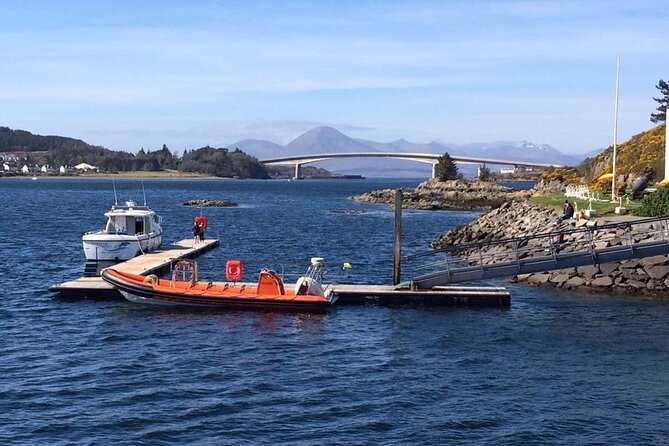
Day 4 is your “get back while still seeing the best stops” day. It’s long, but you don’t just drive—you break up the route with big-name highlights.
Eilean Donan Castle: the biscuit tin castle with movie fame
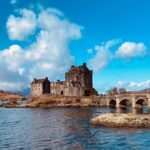
You start with Eilean Donan Castle, the famous “biscuit tin” style that’s described as Scotland’s most photographed castle. It’s also noted for appearing in Bridesmaids and Highlander, and it’s popular for weddings.
You’ll have about 1 hour here, and admission isn’t included. This is a great stop for photos, but I’d also suggest using the time to understand the setting: the castle’s appeal comes from where it sits, not only from its walls.
Loch Ness and Fort Augustus: a town break plus optional cruise
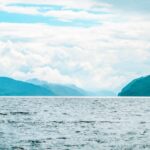
Then you head to Loch Ness, arriving around Fort Augustus, with about 2 hours total. There’s an option to do a cruise on the Loch (not included) and time to explore the town, with lunch happening here.
The description includes a fun fact: Loch Ness is described as having nearly double the volume of water compared with all Lakes in England and Wales combined. There’s also the Nessie legend, of course.
Even if you don’t buy into Nessie, a short cruise (if it’s available) gives you a better sense of the loch than roadside views.
Pitlochry: gateway between Highlands and Lowlands
After Loch Ness, you continue through the Spean Bridge area, passing by a Ben Nevis viewpoint linked to the Commando Memorial. You then travel through the Cairngorms into Perthshire and finish in Pitlochry.
You get about 30 minutes in Pitlochry, described as the gateway between Highlands and Lowlands and connected to Queen Victoria and Prince Albert. It’s a strong finishing point because it feels like Scotland shifts gears here—less island drama, more classic inland charm.
Ending back in Edinburgh with a Firth of Forth finale
As you return, the tour crosses the Forth road bridge and the Firth of Forth, including the Forth Railway Bridge, noted as a World Unesco heritage site. The day ends at your chosen destination.
Price and value: what $2,091.18 buys you (and what to budget for)
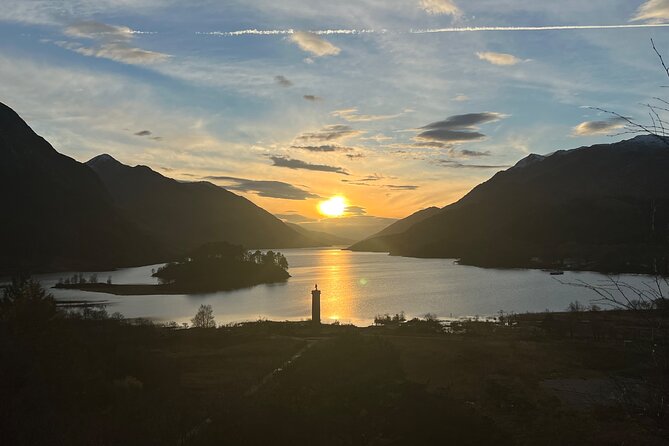
At $2,091.18 per person, this is a premium-priced private tour. The value comes from the core package: private transportation, an experienced English-speaking driver guide, bottled water and WiFi, and a ferry to Skye when it fits the plan and weather allows.
You’re also getting time. Many people don’t realize what that changes until they stop being herded. Here, the stops are spaced in a way that lets you actually use your eyes and camera, especially on Skye.
What you should budget for separately:
- Meals (not included)
- Accommodation (not included)
- Entrance fees (not included), including castles and any cruise options you pick
- Optional paid activities like the Misty Isle boat cruise at Loch Coruisk, if you choose it
If you’re traveling with a small group and you care about the guide’s role—history, legend, and smart choices about where to stand—this price can make sense quickly. If you want a cheap sampler, you may feel like you’re paying for comfort and guidance you don’t fully use.
Weather, ferries, and how the plan stays flexible
This tour specifically calls out good weather needs. It also notes that if the experience is canceled due to poor weather, you’ll be offered another date or a full refund.
On the Skye side, the ferry is included only when it works. The itinerary is prepared for alternatives: if the ferry from Mallaig can’t run, you may instead use the Skye Bridge or the Glenelg Ferry. That matters because it affects whether you stop at Glenfinnan Viaduct as planned.
In practice, your best strategy is to keep your mindset open. If you treat every stop as a chance to learn and watch, not a guaranteed checkbox, you’ll get more out of the day—even if the sky changes the look of everything.
Who should book this private Skye tour
You’ll probably love this if:
- You want a private experience with an actual guide driving the story
- You care about Skye’s big icons plus time for side moments (Portree, Fairy Glen, Dunvegan)
- You’re okay paying entrance fees and doing a little “decide on the day” budgeting
- You like the idea of flexibility around the ferry and weather
You might want to rethink it if:
- You prefer a DIY trip with public transport and fixed schedules
- You’re trying to keep costs as low as possible
- You only want one or two big highlights and would rather spend less time moving between regions
Should you book it?
If your goal is to see Skye the way it feels—windy cliffs, legend-laced stops, and real time to look—this tour is a strong choice. The biggest reason is the local guide factor; John’s passion shows up in how the stops connect, and the trip is designed to avoid the rushed feeling that kills photos.
Book it if you want a guided Scotland road trip that still lets you breathe. Skip it only if you’re chasing the cheapest option or you don’t want to pay a few entrance fees on top.
FAQ
How long is the Isle of Skye Private 4 Day Tour?
It’s listed as approximately 4 days.
What time does the tour start?
The start time is 8:15 am.
Do you offer pickup?
Yes. Pickup is offered, and the operator says they arrive about 15 minutes prior to departure time.
Is the ferry to Skye included?
The tour includes a ferry to Skye if it is available, the weather allows, and it fits the itinerary.
What if the Mallaig ferry isn’t available?
The itinerary lists alternatives: you may use the Skye Bridge or the Glenelg Ferry if the Mallaig ferry cannot be used.
Are meals included in the price?
No, meals are not included.
Are entrance fees included?
No, entrance fees are not included.
What language is the tour offered in?
The tour is offered in English.
What happens if poor weather cancels the tour?
The experience requires good weather. If it’s canceled due to poor weather, you’ll be offered a different date or a full refund.