REVIEW · EDINBURGH
From Edinburgh: 6-Day Shetland & Nothernmost Explorer
Book on GetYourGuide →Operated by Chien-Yuen Ltd · Bookable on GetYourGuide
Shetland feels like a frontier. On this 6-day Shetland & Northernmost Explorer, I like the chance for puffins up close and the hands-on moment with Shetland ponies, but the main consideration is that Shetland days can involve long drives and weather-driven timing.
What makes this trip work for real life is the small-group setup (up to 8) and a bilingual guide (Chinese/English) who plans around wind, rain, and light—key on a coastline trip where the best views depend on the day.
In This Review
- Key things I’d watch for before you go
- Why Shetland’s far north feels different from the rest of Scotland
- Price and what $67 gets you (and what it doesn’t)
- From Edinburgh to Aberdeen: sea time plus Scotland landmarks
- Lerwick and Sumburgh Lighthouse: the practical start of island time
- St Ninian’s Ayre and Eshaness: cliffs, shell scatter, and big-wave drama
- Unst’s Hermaness: puffins, Muckle Flugga, and the Viking longhouse trail
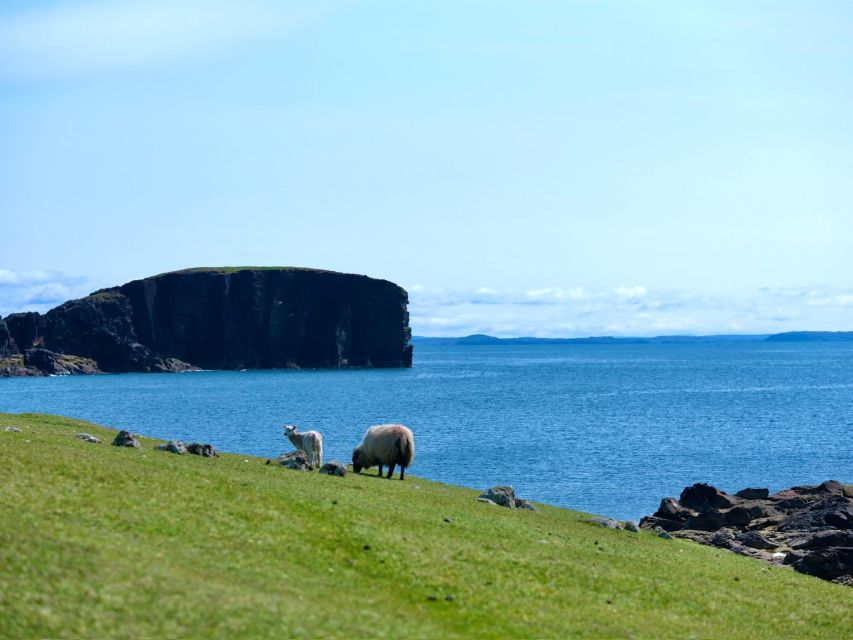
- Stopping for Shetland ponies and wildlife at Minn Beach to Kettla Ness
- Dunnottar Castle and St Andrews: the big cliff finale
- Comfort and logistics that make the trip easier than it sounds
- What to pack (so you’re not miserable on the cliffs)
- Is this tour right for you?
- Should you book this Shetland & Northernmost Explorer?
- FAQ
- How long is the Shetland & Northernmost Explorer tour?
- How many people are in the group?
- What languages is the live tour guide available in?
- What kind of transport is used during the trip?
- Are ferry cabins included?
- Is accommodation included?
- Are attraction tickets included?
- What’s the best time to see puffins?
- What should I bring for the tour?
- Is the tour suitable for children or wheelchair users?
Key things I’d watch for before you go
- Puffins in the right season (April to July) for better odds at Hermaness and nearby cliffs
- Unst’s northernmost edge plus Muckle Flugga lighthouse, the post office, and even a fish and chip stop
- Viking traces on Unst and at St Ninian’s Ayre through longhouse evidence and coastal “story sites”
- Shetland ponies you can actually pet, not just see from a distance
- Real wildlife time: seals at Lerwick Beach and along the Minn Beach to Kettla Ness route
- Guide Hugh’s weather flexibility and calm driving that keeps the day feeling light, not rushed
Why Shetland’s far north feels different from the rest of Scotland
Shetland isn’t trying to copy the big-name places. It feels windier, quieter, and more “how did people live here” than “let’s photograph a famous building.” That’s exactly why this kind of trip is worth your time: you’re not just checking boxes, you’re getting a sense of scale—cliffs, North Sea mood, and the hard edges of island life.
The itinerary is built around a mix that makes sense: a capital stop to get oriented, Neolithic and Viking anchors to explain the why, then wildlife coasts where the islands speak for themselves. And yes, puffins are part of it—Shetland’s version of a must-see.
A practical bonus: the trip is paced to match a remote place. Shetland weather is never a straight line, and short changes can mean the difference between a great viewing moment and a dull one. A good guide helps you keep momentum without forcing it.
You can also read our reviews of more tours and experiences in Edinburgh

Price and what $67 gets you (and what it doesn’t)
The headline price is listed as $67 per person, and the value story here is mostly about logistics. Shetland is far, and getting there and moving around safely costs real money—ferry tickets, a driver/guide, and transport in modern air-conditioned vehicles for small groups.
Included pieces you should care about:
- Transportation in luxury, modern, air-conditioned 5–9 seaters (size depends on the group)
- A driver/guide
- Ferry tickets plus 2 nights in ferry cabins (4 inside berth cabins)
- Accommodation with breakfast for 4 nights if you select that option
Not included:
- Food and drinks
- Attraction tickets (the plan notes £6 for one place, and that it’s usually not busy)
So the math looks good if you’re the type who doesn’t want to manage ferries, timing, and multiple vehicle changes yourself. Your planning focus becomes meals, snacks, and what you wear—not where to go next.
From Edinburgh to Aberdeen: sea time plus Scotland landmarks
Day 1 is travel with meaning. You start in Edinburgh and you’ll see the Forth Bridge, a UNESCO World Heritage Site built in 1889. It’s a good warm-up for what’s coming: rail engineering and sheer structure, right before you move into island weather and sea horizons.
On the way, there’s also a glimpse connected to Scotland’s independence story—the Arbroath Abbey area and the reminder of the Declaration of Arbroath from 1320. It’s not a long history lecture. It’s just enough context to make the country feel connected, not compartmentalized.
Then you reach Aberdeen, board the cruise ship, and you’re set for Shetland the following morning.
Why I like this approach: the first day doesn’t pretend you’ll sightsee all day. It sets you up for a smoother start by giving you a couple of meaningful roadside stops before you hit the water.
Lerwick and Sumburgh Lighthouse: the practical start of island time
The first full Shetland day begins in Lerwick, the island capital. This is where you get your bearings. Lerwick has that compact, lived-in feel, and you’ll also see the kind of craft the islands are known for: Shetland knitting.
Then you go further back in time—there’s a New Stone Age settlement site described as spanning around 40,000 years. That’s the kind of detail that changes how you look at a coastline. You start to realize people have been adapting here for a very long time.
Next up is a lighthouse stop: Sumburgh Lighthouse, built in 1821 by Robert Stevenson. It’s one of those places where you can understand why lighthouses mattered before modern navigation. The sea isn’t a background sound in Shetland—it’s part of the route.
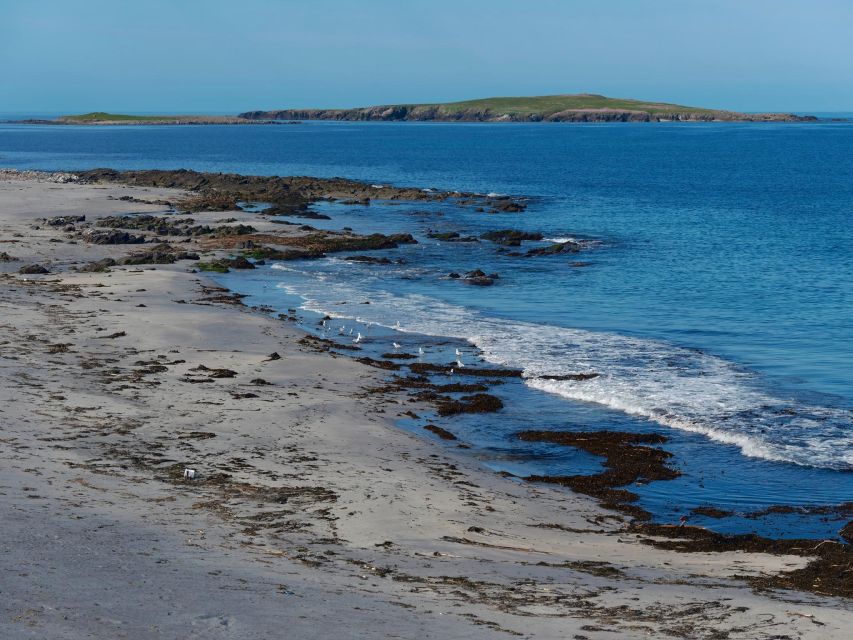
The day finishes with something simple and good: Lerwick Beach, where seals are a frequent sight. If you’re thinking this is a “hard-core hiking” trip only, this is where it surprises you. It mixes serious sites with calm wildlife time.
St Ninian’s Ayre and Eshaness: cliffs, shell scatter, and big-wave drama
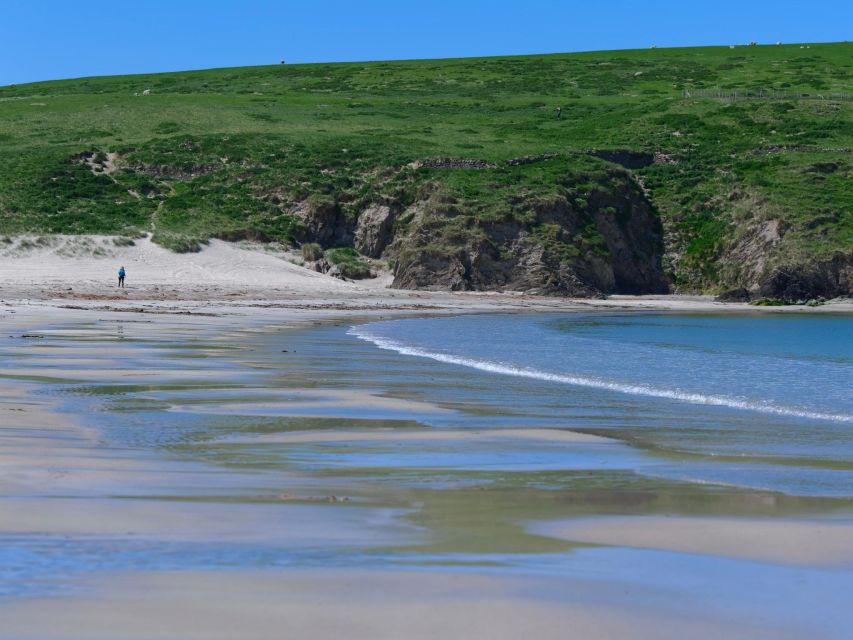
Day 3 is about the coastline, and Shetland does coastlines properly. You’ll start at St Ninian’s Ayre Beach, known for soft seashells and that wide, open feel you can’t really fake elsewhere.
This is also where the Viking thread shows up again. The plan frames St Ninian’s Ayre as a place where Viking history and culture show themselves through the shoreline story—so it’s not just scenic. You get a sense of how islands think in generations, not seasons.
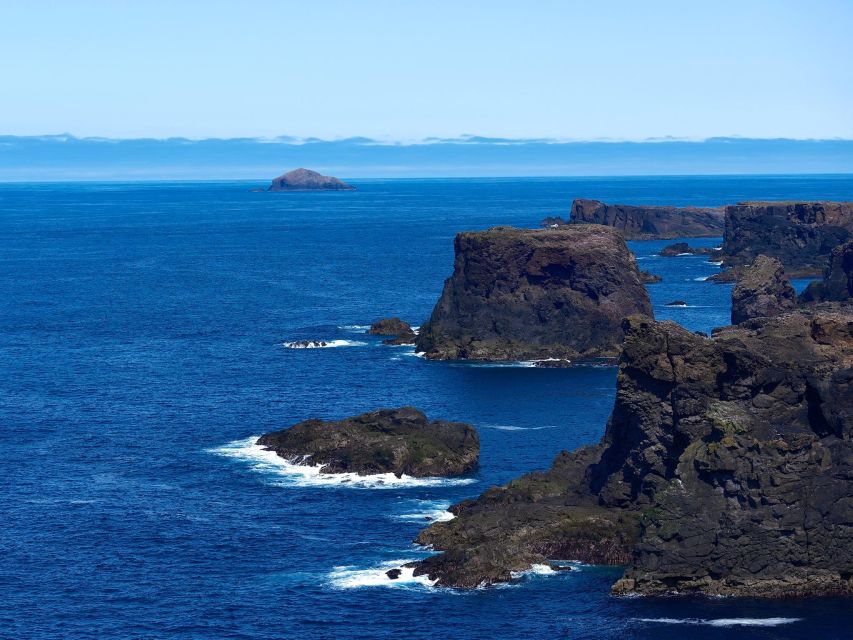
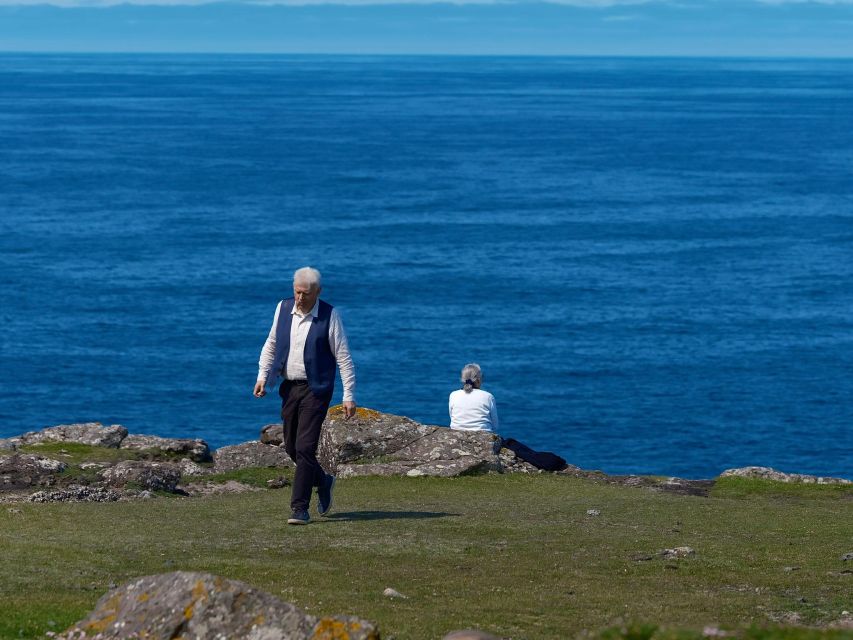
Then you continue along Eshaness, with cliffs and waves doing what waves do when they have a long fetch behind them. The plan even calls out the 1,697-mile coastline figure tied to Eshaness, so expect long stretches of rugged viewing.
What to watch for here:
- Wind can change the “comfort level” fast, even if it’s not raining
- You’ll want real traction underfoot—comfortable shoes are fine, but hiking shoes help if the ground is damp
If you prefer balanced days—some walking, some stopping, some just staring out at the sea—this day fits.






Unst’s Hermaness: puffins, Muckle Flugga, and the Viking longhouse trail
Day 4 is the “northernmost point” day, and it’s the reason a lot of people pick this tour. You reach the area with Muckle Flugga lighthouse on a rocky outcrop at the northern edge of Unst’s Hermaness peninsula.
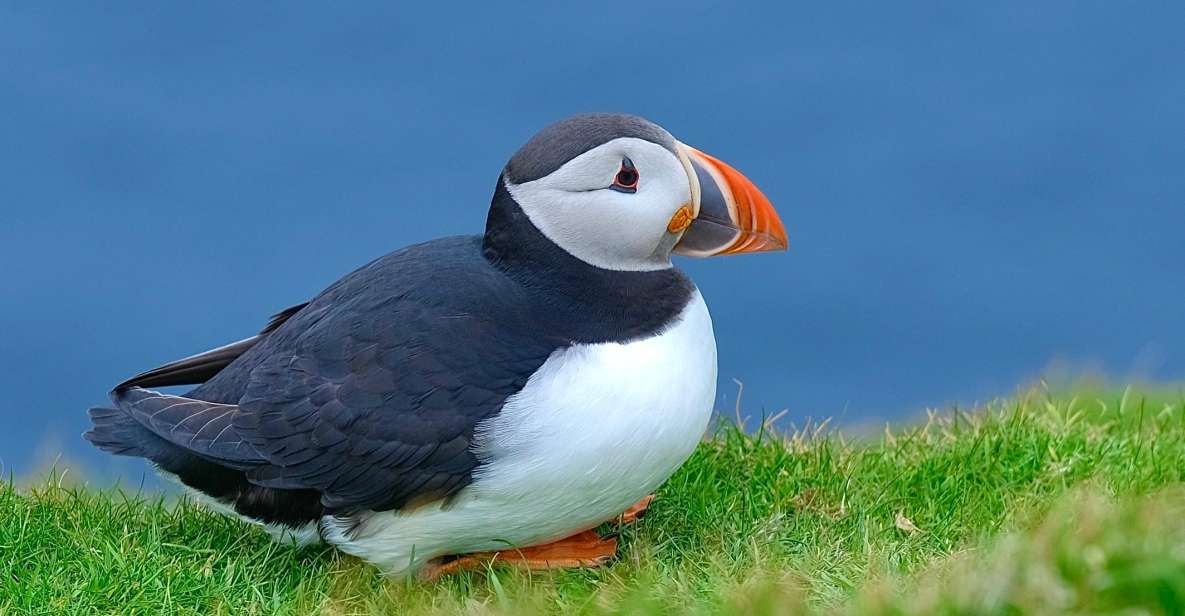
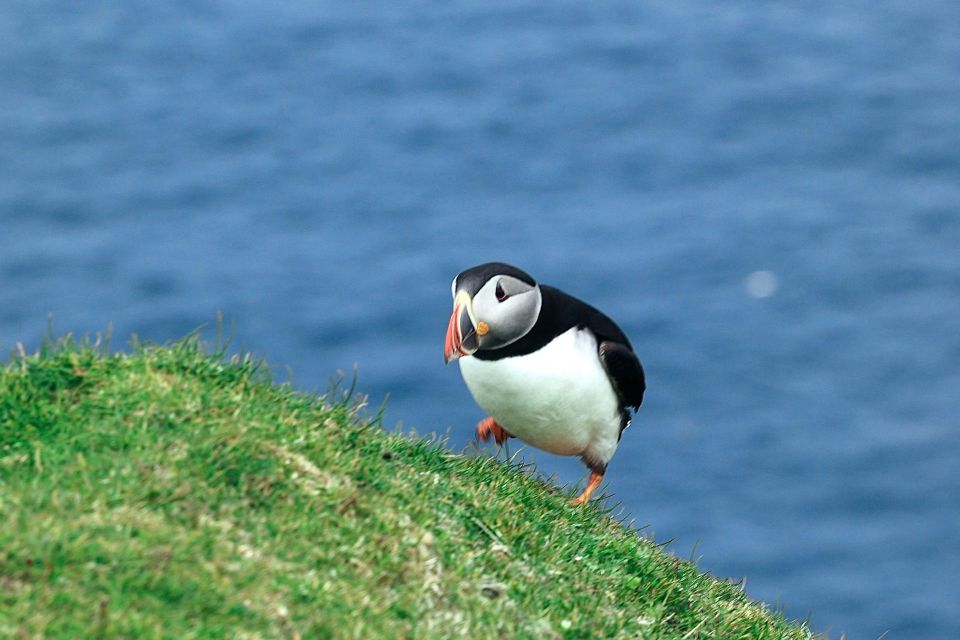
This is also where the wildlife concentration is the point. The plan describes puffin colonies and seabird rookeries, plus dramatic cliffs. If your goal is to see puffins in a way that feels close and real, this is where you spend your attention.
Puffin timing matters, and the trip notes April to July as the best season. If you’re booking around that window, you’re stacking the deck.
Unst is also a Viking story. It’s described as the northernmost inhabited island in the British Isles, and the plan points to evidence of Viking raiders and Norse occupation. The Viking Unst archaeological project is highlighted with the discovery of three Viking longhouses. That’s a great reminder that “Viking” isn’t only about ships and raids—it’s also about how people built homes in harsh conditions.
Then there’s a lighter, human detail: the loneliest and last bus stop, linked to a story about a father’s love for his daughter. It’s the kind of quirky stop that makes island travel feel personal.
Finally, the trip highlights Britain’s northernmost lighthouse, plus a post office and a fish and chip restaurant stop. It’s a good reminder that even at the edge of the map, people live normal meals into the wind.
Stopping for Shetland ponies and wildlife at Minn Beach to Kettla Ness
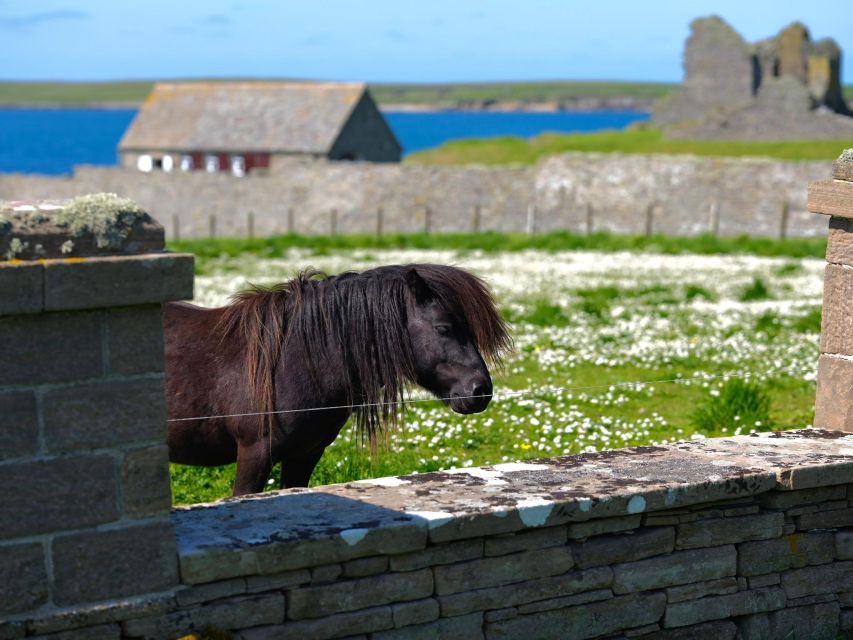
Day 5 balances cut-to-the-bone nature with something more gentle: Shetland ponies. These aren’t a show animal. They’ve roamed exposed hills and wilderness for over 4,000 years (as the trip describes it), and the plan is to pet them—an experience that’s often more meaningful than people expect.
Then you head along Minn Beach toward Kettla Ness. This route is built for wildlife watching: seals, plus seabirds such as Arctic skuas and Arctic terns.
And then you get the practical rhythm shift—your day wraps with a cruise back to Aberdeen.
Two good notes for you:
- If you’re allergic to being cold, plan for it. This is “weather-ready” territory.
- Wildlife viewing is easier when you stop moving. The guide’s job is timing those slower moments so you don’t feel like you’re running to the next viewpoint every 20 minutes.
Dunnottar Castle and St Andrews: the big cliff finale
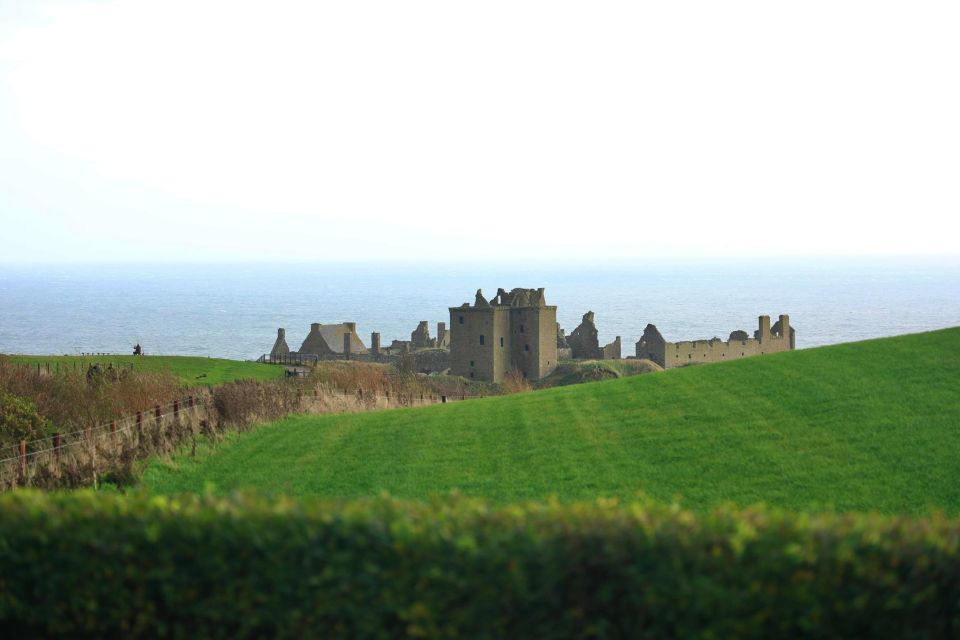
After disembarking, Day 6 turns to a dramatic historical anchor: Dunnottar Castle, a 14th-century fortress perched on rugged cliffs above the coast. This is the kind of place where the building and the weather feel like a single scene—wind, rock, and survival logic.
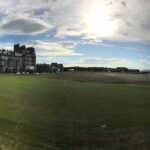
Then you shift from fortress to Scotland’s other obsession: St Andrews, described as the birthplace of world golf and also a spiritual center with pilgrimage significance for golf enthusiasts. It’s an odd pairing on paper—cliffs and golf—but it works because it brings the trip full circle: Shetland gives you the far north; St Andrews gives you a famous Scottish focal point.
This day ends with your return toward Edinburgh.
Comfort and logistics that make the trip easier than it sounds
Even with the remote feel, the trip is designed to reduce stress:
- The transport is air-conditioned and uses small vehicles (5–9 seats).
- You’re in a small group up to 8, which helps with pace and photo stops.
- Pickup is handled based on your address (you’re asked to provide it quickly after booking to help route planning and avoid backtracking).
A detail that matters: drivers keep the day smooth when distances are long. One recurring point in feedback is that the guide kept momentum without turning the trip into nonstop driving. That’s exactly what you want on a Shetland route where “arrive at the viewpoint” can be a long game.
What to pack (so you’re not miserable on the cliffs)
This is a trip for real outdoor conditions, not just city shoes. Bring:
- Comfortable shoes
- Hiking shoes
- Jacket
- Outdoor clothing
- Comfortable clothes
- Hiking pants
- A credit card
Even if you’re not planning on long hikes, Shetland wind can turn a short walk into a test. Layers help you keep enjoying instead of shivering.
And follow the rules: no pets, no smoking or vaping in the vehicle, and you’re not allowed to do things like fishing or climbing.
Is this tour right for you?
If you want a Shetland trip that mixes wildlife close-up time, Viking and Neolithic context, and a real shot at puffins, this is a strong fit. It’s also a good choice if you like small-group travel and you value a guide who adjusts to weather.
You may want to rethink it if:
- You hate long drives (Shetland distances mean lots of time on the road)
- You’re sensitive to wind and cool conditions
- You need wheelchair access (the tour notes it’s not suitable for wheelchair users)
- You’re traveling with kids under 7 (not suitable)
Should you book this Shetland & Northernmost Explorer?
I’d book it if your idea of a great trip includes cliffs, seals, and that special feeling of being at Britain’s northern edge—while still having someone else handle the route and timing. The guide matters here, and the trip’s small-group size plus weather flexibility is what turns a remote itinerary into a smooth experience.
If your trip dates fall April to July, you’ll be in the best window for puffins. If you’re going outside that window, you can still enjoy the coast and wildlife, but you’ll want to go in with slightly softer expectations for sightings.
If you’d like, tell me your travel month and whether you’re more into wildlife, Vikings, or castles—and I’ll help you decide how to best plan around the conditions.
FAQ
How long is the Shetland & Northernmost Explorer tour?
It runs for 6 days, and it’s listed as a duration of 10 hours to 6 days depending on starting times shown for availability.
How many people are in the group?
The group is limited to a small size, with a maximum of 8 participants.
What languages is the live tour guide available in?
The guide offers Chinese and English.
What kind of transport is used during the trip?
You travel by luxury, modern, air-conditioned 5–9 seaters, depending on the group size, plus ferry travel between locations.
Are ferry cabins included?
Yes. Ferry tickets are included, with 2 nights in ferry cabins (described as 4 inside berth cabins).
Is accommodation included?
Accommodation with breakfast for 4 nights is included if you select that option.
Are attraction tickets included?
No. Attraction tickets are not included. The plan notes £6 for one place, and that it’s usually not busy.
What’s the best time to see puffins?
The plan states that puffins are best seen from April to July.
What should I bring for the tour?
Bring comfortable shoes, hiking shoes, a jacket, comfortable clothes, outdoor clothing, hiking pants, and a credit card.
Is the tour suitable for children or wheelchair users?
It’s not suitable for children under 7 and it’s not suitable for wheelchair users.