REVIEW · EDINBURGH
From Edinburgh: 5 Day Best of Northern England Tour
Book on GetYourGuide →Operated by Rabbie's Small Group Tours · Bookable on GetYourGuide
Five days of castles, coast, and wild hills. This best-of route is built for people who like their sightseeing with context—Roman frontiers, storybook villages, and big walking days between. You’re also in a small group on a 16-seat Mercedes, which makes tight towns and early arrivals feel calmer.
I especially like the way the trip balances big-name sights with smaller moments that feel real—Walled Berwick-upon-Tweed and Bamburgh Castle on one side, then fishing-village lanes and Dales cattle country on the other. And I love that you get a true Roman thread through the whole journey, with stops along Hadrian’s Wall plus included access to Vindolanda and the Roman Army Museum.
The main thing to plan for is time on the road. You’re doing a lot of riding between regions, and two parts need extra stamina: the steep walk up and down near Robin Hood’s Bay, and the fact that some mornings are structured around drive times rather than slow wandering.
In This Review
- Key highlights worth your attention
- Day 1: East Lothian coast to Berwick-upon-Tweed and Bamburgh Castle
- York time, Whitby lunch, and Robin Hood’s Bay steep reality
- Day 3: Yorkshire Dales National Park and Keswick as your base
- Day 4: Castlerigg standing stones, Ullswater, and Aira Force
- Windermere, Hawkeshead, and Grasmere’s Wordsworth connections
- Day 5: Hartside Pass, sheep drovers road, Hadrian’s Wall, and Scott’s View
- Price and value: what $1,172 buys you (and what it doesn’t)
- Lodging style in B&Bs: cozy en suite, but mind the stairs and walks
- Who this tour suits best (and who should choose differently)
- Should you book this Northern England plus Scotland border tour?
- FAQ
- How long is the tour?
- What’s the group size and transport like?
- Are meals included?
- Which attractions are included in the price?
- What should I know about Robin Hood’s Bay access?
- Are children allowed?
- When do you return on the last day?
Key highlights worth your attention
- 16-seat Mercedes mini-coach comfort for a small-group feel without cramming.
- Bamburgh Castle admission included, plus a real sense of why the site matters.
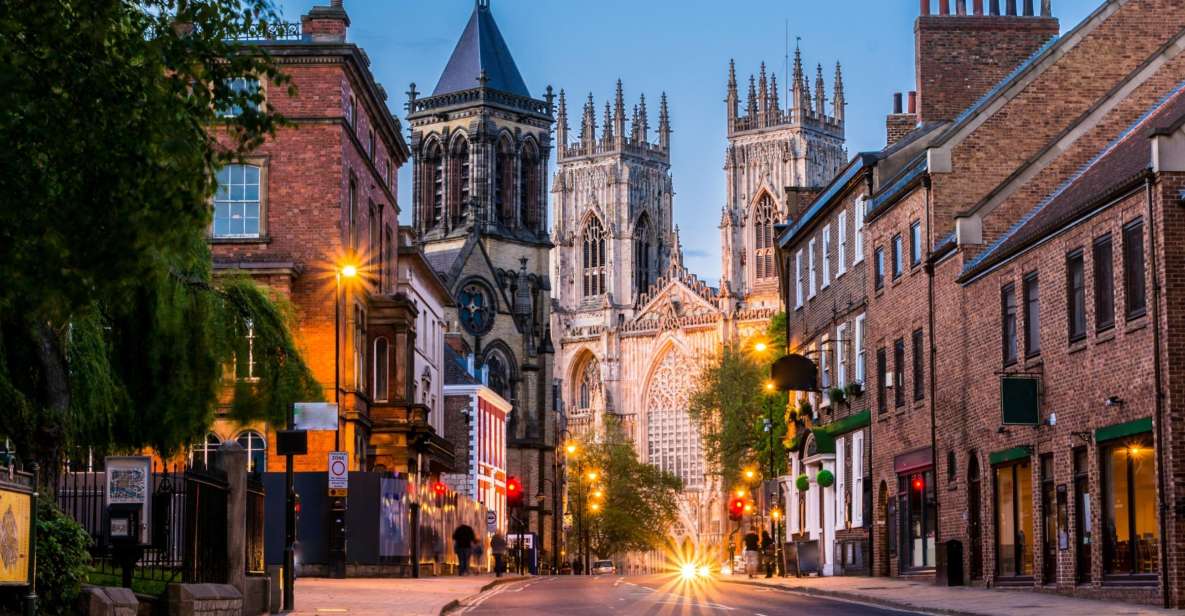
- York with flexible free time, so you can choose your pace among medieval streets.
- Yorkshire Dales National Park scenery plus cattle-trade country, not just postcard views.
- Ullswater and Aira Force included nature time, centered on walkable highlights.
- Hadrian’s Wall day with Vindolanda access, then a Scotland border finale at Scott’s View.
Day 1: East Lothian coast to Berwick-upon-Tweed and Bamburgh Castle
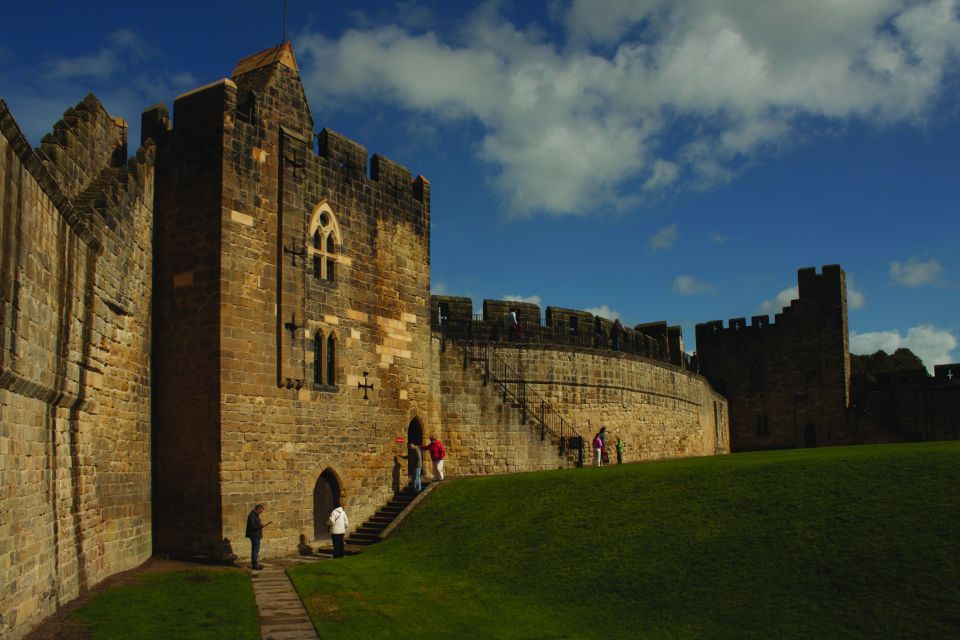
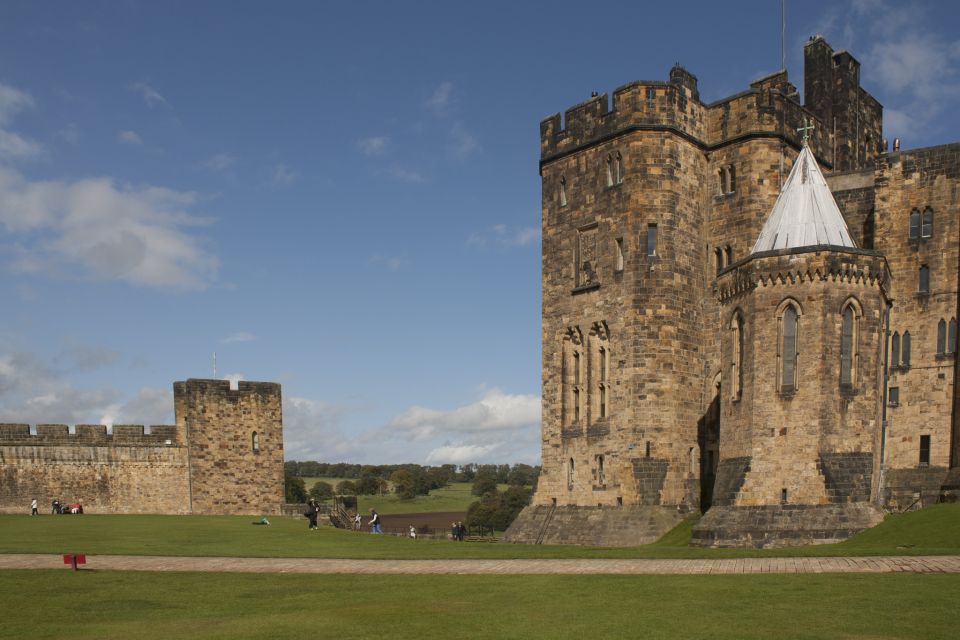
Day one starts with a change of scenery the moment you leave Edinburgh behind. You trace the East Lothian coastline and roll into the border town world, first stopping in Berwick-upon-Tweed. The draw here is the fortifications—thick, serious walls that make the whole England–Scotland story feel physical, not academic.
Next comes Bamburgh Castle in Northumberland. This is the kind of place where the view does half the work. Even if castles aren’t your usual focus, Bamburgh’s setting helps you understand how defenders thought: control the coast, watch the horizon, and make sure ships and borders can’t surprise you.
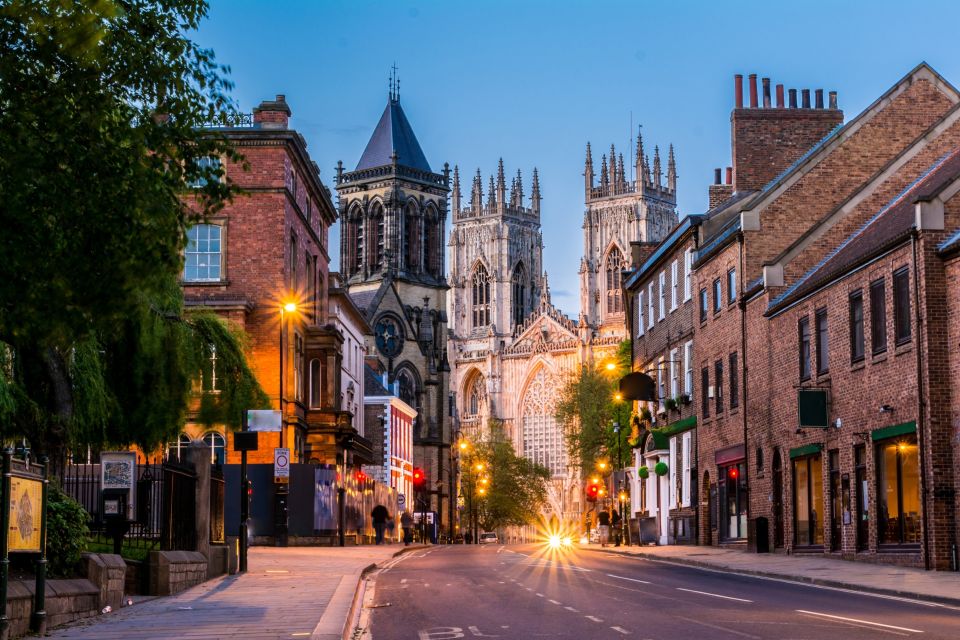
By late afternoon you’ll be in York, and the trip gives you two nights there. That’s a smart choice. York isn’t a quick stop town. With two nights, you can slip into the city after the main crowds, and you can decide how much you want to do without feeling rushed.
You can also read our reviews of more tours and experiences in Edinburgh
York time, Whitby lunch, and Robin Hood’s Bay steep reality
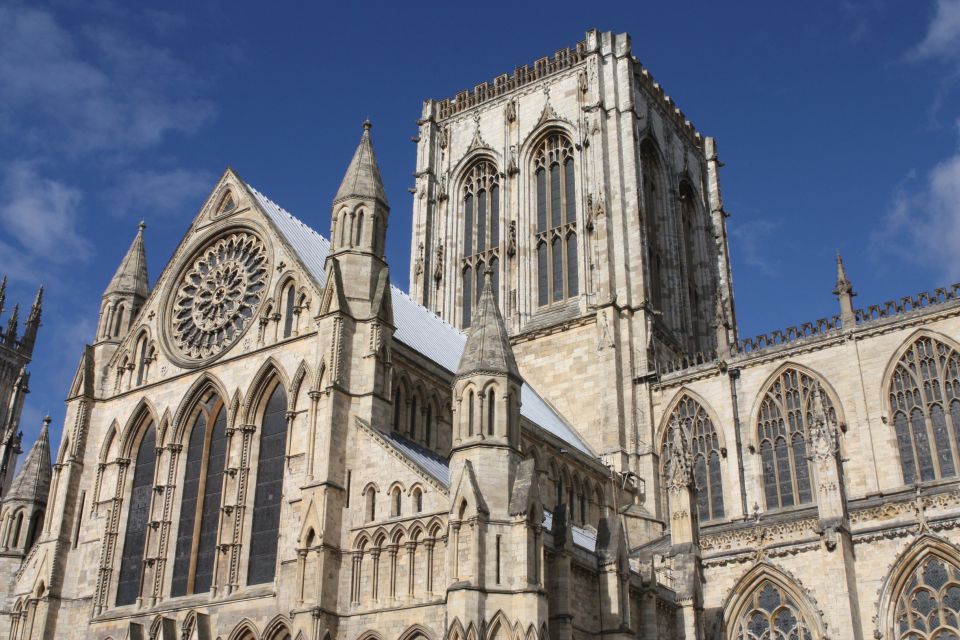
York on day two is a flexible day, which I love. You get late morning to start exploring, so you can ease in rather than sprint immediately. The medieval streets, old walls, and shop lanes work well when you’re not being pushed by a strict clock.
Then you head toward the North Yorkshire Moors National Park, with Whitby as lunch. Whitby is a working fishing port, and the atmosphere has that Bram Stoker flavor people talk about, but the real charm is the everyday grit: boats, pubs, sea air, and the sort of views that make you slow down even if you don’t plan to.
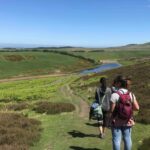
After lunch and free time in Whitby, you travel to Robin Hood’s Bay. This is where the trip gets very memorable, but it also gets honest. The mini-coach can’t reach the main village because of local restrictions, so you’re dropped off at the top. From there, you walk down (and back up) a steep hill to reach the old village center.
If you want to make this part easier on yourself, plan for a short break point on the way down. There’s a fish-and-chips style option partway down the route, which can save energy if you know you’ll be tired by the climb back up.
By the time you return to York after that excursion, you’ve stacked a lot of contrast: city medieval lanes, moor-country scenery, and a coastline village that feels like time slowed down.
Day 3: Yorkshire Dales National Park and Keswick as your base
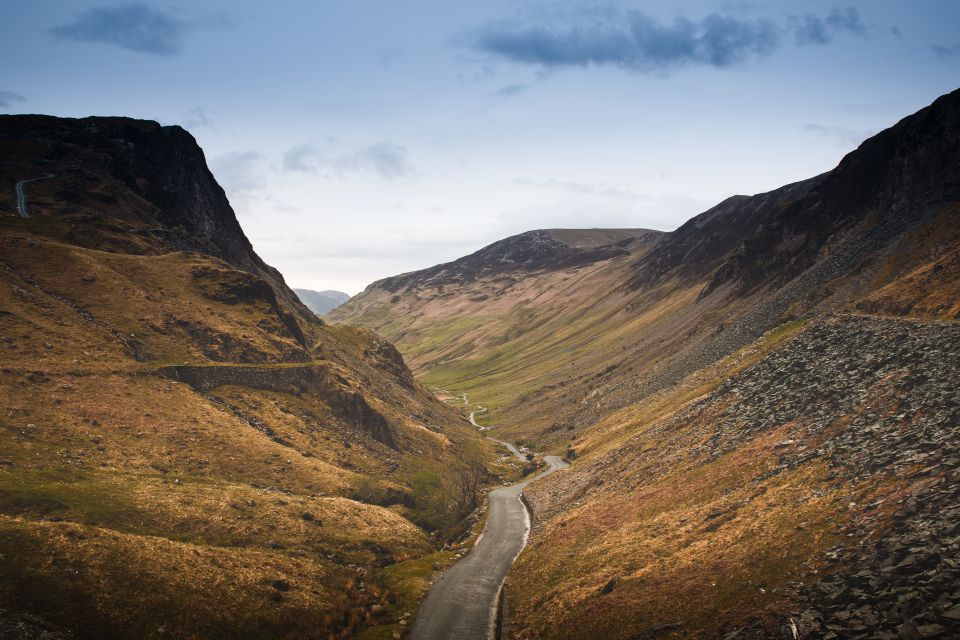
Day three shifts into open country and gives you a proper dose of nature. You head west into the heart of Yorkshire Dales National Park, a place that rewards slower gazing. This is not a stop-and-shoot photo route. The scenery and the wildlife habitats matter here, and the cattle landscapes make the day feel lived-in.
You continue through Northern Dales, known for the Dales cattle trade. That detail is more than trivia. It helps explain why you see the rolling grazing patterns and why the farming culture feels baked into the land. If you like places with working landscapes instead of only scenic overlooks, you’ll feel at home here.
The day finishes by descending into Keswick, a lively market town. You’re dropped off at your accommodation, and that matters because Keswick works as a practical base for evening walks and dinner without needing another long drive. If you enjoy winding down in a real town center vibe, Keswick is a good match.
One practical note: your lodging style is typically small, locally owned B&Bs and guesthouses. They’re usually en suite, but they’re often on the outskirts of town. That can mean a 20–30 minute walk to pubs and restaurants, and lifts are not a thing in these types of places—so stairs can be part of the daily rhythm.
Day 4: Castlerigg standing stones, Ullswater, and Aira Force
Day four begins with Castlerigg, a standing stone site often associated with very ancient origins. The setting is open and windswept, which changes how you experience stones like these. Instead of feeling like a museum exhibit, it feels like the landscape is part of the structure.
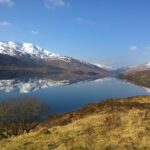
Then you go to the shores of Ullswater, described as England’s most beautiful lake. I wouldn’t try to rate that claim like a contest, but I will say this: Ullswater’s scale and the way the valleys frame the water give you a strong sense of place. It’s the kind of stop that makes you want to linger, even if you only have a couple of hours.
A forest walk at Ullswater includes a chance to see Aira Force waterfall. This is a good mid-day balance: it’s outdoors, active, and visually rewarding without needing an all-day hike. If you like waterfalls but don’t want a strenuous climb, this tends to hit the sweet spot.
Next comes Kirkstone Pass, a narrow-and-winding mountain crossing with a stop point for Lake Windermere. This is one of those segments where you’ll feel the “coach tour” side of things—the driving is part of the experience, but it’s also time spent in transit rather than walking.
You then have an included 45-minute boat cruise on Lake Windermere or the option to eat lunch while enjoying views, depending on the day’s flow. If you’re trying to maximize time in towns, I’d seriously consider the lunch-and-views choice. The cruise takes time away from the lakefront areas, and the drive between viewing points already fills the morning.
Windermere, Hawkeshead, and Grasmere’s Wordsworth connections
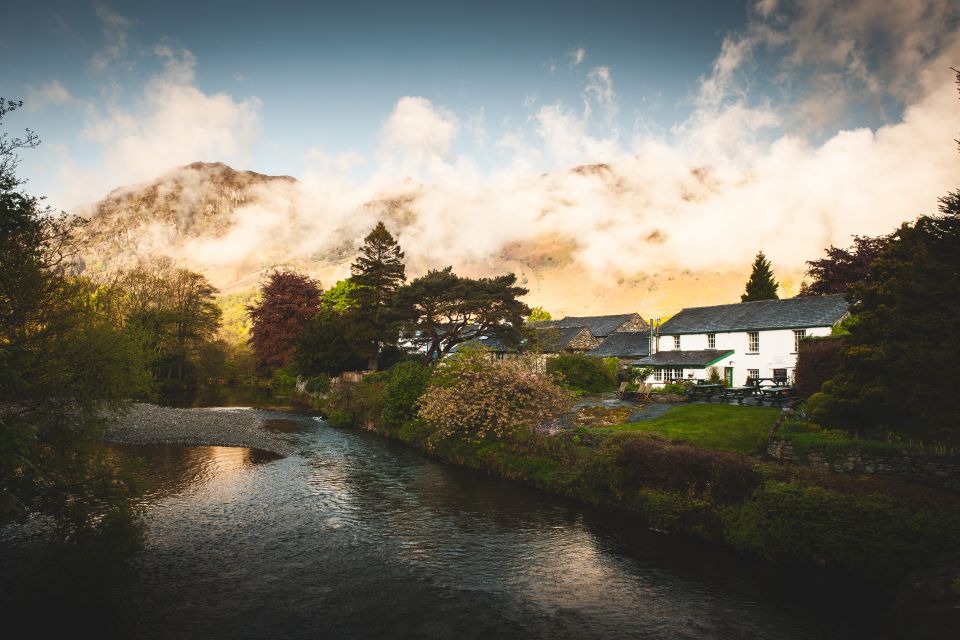
After the Windermere segment, you head toward Coniston Water, then stop in Hawkeshead. Hawkeshead is a conservation village, which usually means it keeps its character: tight lanes, old stone buildings, and a slower feel than the bigger tourist stops.
From Hawkeshead, you head north to Grasmere. Here you get free time with two famous options: you can visit Wordsworth’s Dove Cottage, or you can relax at the Wordsworth Daffodil Garden by the River Rothay. Either choice is built for a different kind of traveler. If you like literary heritage, Dove Cottage offers context. If you want your day to slow down, the garden and river setting can be a calm reset.
You return to Keswick in the late afternoon, which gives you the evening to do something on your own schedule—dinner, a short town walk, or just a chance to recover before day five.




Day 5: Hartside Pass, sheep drovers road, Hadrian’s Wall, and Scott’s View
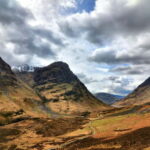
Day five is the border finale, and it has a satisfying sense of momentum. You start climbing toward Hartside Pass at over 1900 feet. On a clear day, the views can stretch across both sides of the border—Scotland’s hills and the English Lake District.
You’ll follow the old sheep drovers road between England and Scotland. That matters because it’s not just scenery. It’s a route shaped by movement—people and animals crossing when weather and borders mattered. The walking-road concept helps you feel how travel used to be done.
Then you stop at Hadrian’s Wall. This is where the Roman thread becomes tangible in a way that’s hard to replicate from a bus window. Included access to Vindolanda and the Roman Army Museum deepens the experience. Vindolanda is especially strong because it connects to the everyday side of Roman life, not just big battles.
Finally, you cross back into Scotland toward Jedburgh for refreshments near the ruins of Jedburgh Abbey. This adds a softer historical tone before the last viewpoint day.
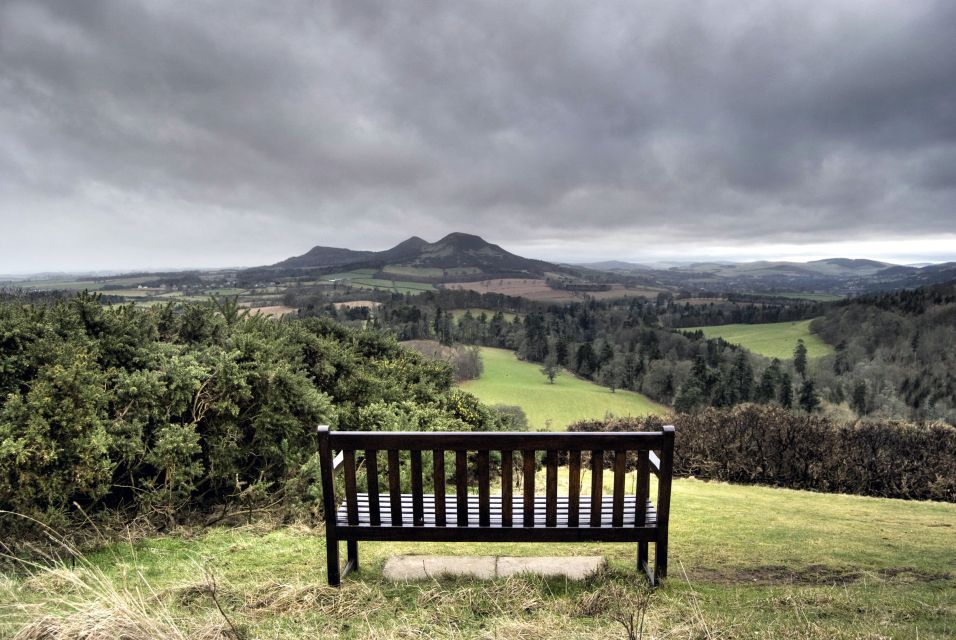
Your last stop is Scott’s View, with views over the River Tweed and the Cheviot hills that form the border. It’s a fitting finish: a wide panorama that puts your whole route in perspective—coast, moors, valleys, and the border line that shaped everything.
You return to Edinburgh around 19:00, so you’re not stuck late into the night, but you are still ending with a full day.
Price and value: what $1,172 buys you (and what it doesn’t)
At $1,172 per person, this isn’t a budget-only trip. But it’s also not just “transport plus a few stops.” You’re paying for several cost-saving inclusions:
- Tour transport on a 16-seat mini-coach
- A driver/guide who handles the history and the pacing
- 4 nights of bed and breakfast
- Bamburgh Castle admission
- 45-minute Lake Windermere cruise
- Vindolanda and the Roman Army Museum admission
What you should factor in is what’s not included: meals, refreshments, and visitor attractions beyond those named. That means your food planning matters. You can end up spending more on lunches and dinners than you expect, especially on days where you have free time in York, Whitby, or the Lakes.
Still, the value feels strongest if you want the guide to connect the dots. In past departures, guides like Adam and Kevin were praised for knowing the sites well and keeping the trip smooth and safe. That’s important on this route because the logistics are real: steep steps at Robin Hood’s Bay, changing regions, and long scenic drives that go by faster when someone’s giving you context.
Also, the small group size (limited to 16) makes a difference. It’s easier to feel like you can ask questions and actually hear what’s being explained, rather than tuning out in a large crowd.
Lodging style in B&Bs: cozy en suite, but mind the stairs and walks
Your accommodations are typically small, locally owned guesthouses and B&Bs, with en suite rooms. That’s a plus. You also avoid the “one big hotel for everyone” feeling, which can make a tour feel more human.
But there’s a practical drawback. Many B&Bs sit on the outskirts of towns. That can mean a 20–30 minute walk to pubs and restaurants, and lifts are not available. If stairs are an issue for you, let the provider know early so they can suggest options that fit.
Who this tour suits best (and who should choose differently)
This tour is ideal if you like a mix of history and outdoors. It’s great for people who enjoy walking but don’t want to plan a full route day-by-day. The included sites help you avoid decision fatigue, especially on the Roman side with Hadrian’s Wall, Vindolanda, and the Roman Army Museum.
It’s also a solid fit if you prefer a small group. With a limit of 16, the day feels more coordinated and less chaotic.
If you struggle with steep walks or you want low-effort sightseeing, Robin Hood’s Bay is the biggest potential mismatch. The coach can only drop you near the top, and you’ll need to handle a steep hill down and back up. Even if you hike regularly, it’s still a lot on a tour schedule.
Finally, it’s not suitable for children under 5, and children under 18 must be accompanied by an adult.
Should you book this Northern England plus Scotland border tour?
I think this is a book-worthy choice if you want variety without constant planning. The route hits coast (Berwick and Robin Hood’s Bay), moor-and-fishing-port energy (Whitby), wide-open nature (Yorkshire Dales and Ullswater), and a strong Roman backbone (Hadrian’s Wall with Vindolanda and the museum). The pacing also works because you get time in York rather than treating it like a quick photo stop.
I’d skip—or at least think hard—if you hate driving days, or if you prefer to control meals and timing completely. This trip builds structure into the day, and meals are on you.
If you go, pack smart: you’re restricted to 20 kilograms (44 lbs) of luggage per person (one main piece plus a small personal bag). And bring shoes you trust for uneven ground and steep slopes, especially for the Robin Hood’s Bay walk.
FAQ
How long is the tour?
The tour runs for 5 days.
What’s the group size and transport like?
It’s a small group limited to 16 participants, using a 16-seat Mercedes mini coach, with a driver/guide.
Are meals included?
No. Bed and breakfast is included for 4 nights, but meals and refreshments during the day are not included.
Which attractions are included in the price?
Included admissions and activities include Bamburgh Castle, a 45-minute island cruise on Lake Windermere, and admission to Vindolanda and the Roman Army Museum.
What should I know about Robin Hood’s Bay access?
The mini-coach can’t go into the main village due to local restrictions. You’ll be dropped at the top of the village and must walk down (and back up) a steep hill to reach the old village center.
Are children allowed?
Children under 5 are not allowed. Children under 18 must be accompanied by an adult.
When do you return on the last day?
On day 5, you return at approximately 19:00.
If you tell me your travel month and your walking comfort level, I can help you decide whether Robin Hood’s Bay and the mountain driving days will feel fun or stressful for you.