REVIEW · EDINBURGH
Edinburgh: Royal Mile Scottish Enlightenment Walking Tour
Book on GetYourGuide →Operated by Walking Tours Edinburgh · Bookable on GetYourGuide
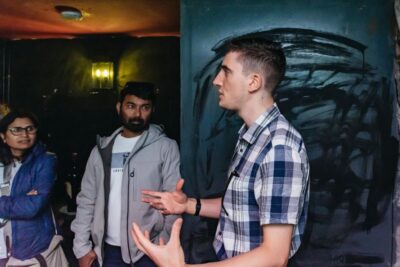
Edinburgh’s Royal Mile has a brainy side. This walking tour follows the Scottish Enlightenment through statues and landmarks in the Old Town, ending with a climb to Calton Hill. I love that it tells the story through the kinds of people Enlightenment thinkers were, not just dates and big ideas.
My second favorite part is the way the guide keeps it human. Expect amusing personalities, a few surprising twists, and topics like philosophy, economics, literature, education, and medicine explained without turning it into a lecture. The walk also moves fast enough to feel like a real outing, not a slow stroll.
One possible drawback: it’s not for everyone. You do need a reasonable fitness level, and Calton Hill means an eventual uphill finish. If you have low fitness, breathing issues, high blood pressure, or need quiet/low-stimulation, you may want to skip.
In This Review
- Key things that make this Royal Mile tour worth it
- Why the Royal Mile turns history into something you can walk through
- Meeting at St Giles Cathedral: pacing, footing, and practical tips
- Old Town landmarks: how the tour uses statues as story engines
- Culloden near Inverness and why it shows up in an Enlightenment walk
- The Enlightenment themes: philosophy, economics, literature, education, medicine
- Scotland and America: the connection that gives the tour extra lift
- Calton Hill finish by Princes Street: a worthwhile climb with real weather risk
- Guide quality is a big part of the value
- Price and value: does $33 buy you enough?
- Who this tour fits best (and who should skip)
- Should you book this Royal Mile Scottish Enlightenment walk?
- FAQ
- FAQ
- Where does the tour start?
- How long is the Edinburgh Royal Mile Scottish Enlightenment walking tour?
- What is the walking route like?
- Are toilet facilities available during the tour?
- Is the tour suitable for children?
- Does it offer translations?
- What should I wear or bring?
- Who should not book this tour?
Key things that make this Royal Mile tour worth it
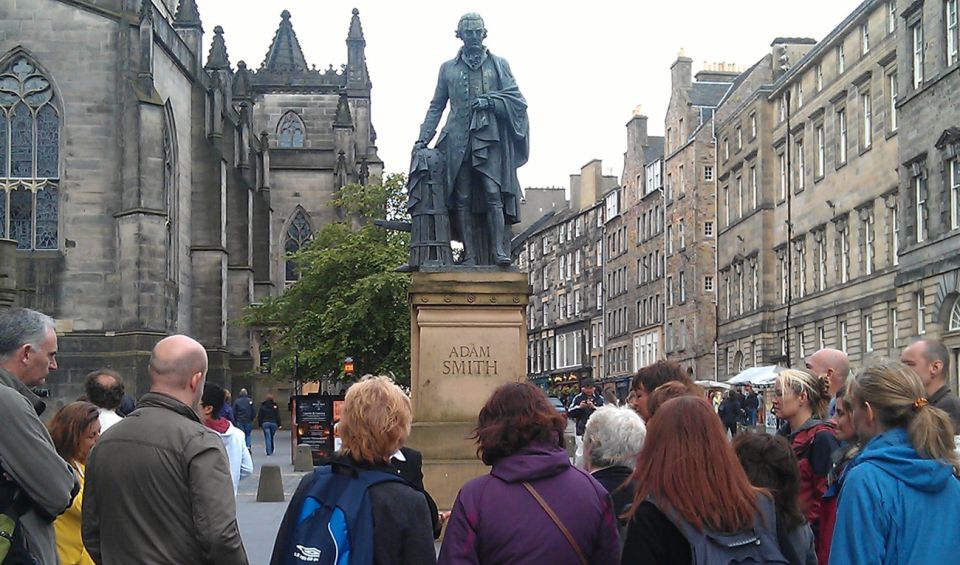
- St Giles Cathedral start sets a focused tone, right in the middle of Edinburgh’s historic core
- Enlightenment stories tied to real statues (and what they reveal about the people behind them)
- Culloden is part of the thread, connecting political violence to the wider Enlightenment context
- Light-touch explanations keep topics moving without a heavy academic feeling
- Calton Hill finish gives you a great end-point, even when the weather gets rough
- English live guide plus optional translated sheets in French, German, Italian, and Spanish with notice
Why the Royal Mile turns history into something you can walk through
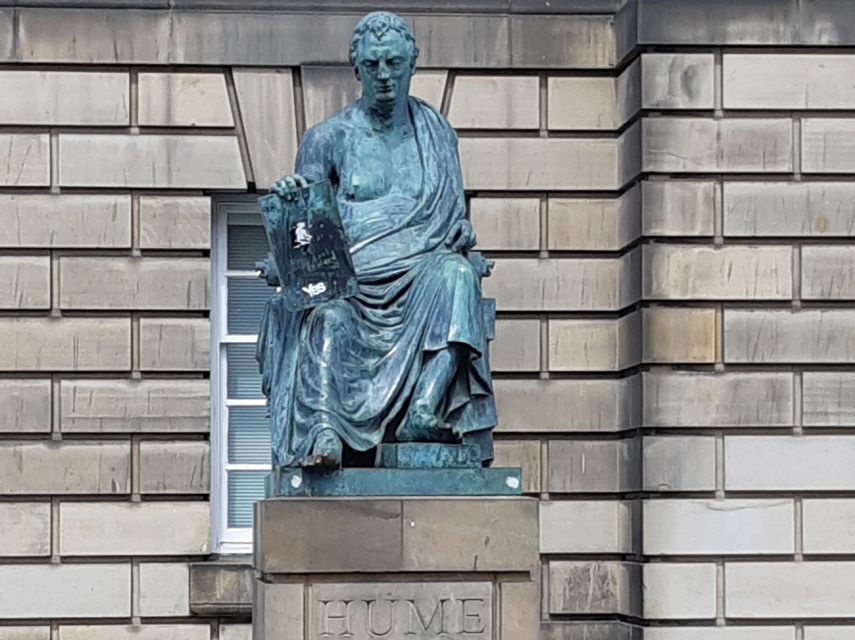
Edinburgh’s Old Town looks like a postcard until you start hearing the connections. This tour helps you see the city like a timeline you can physically cover on foot. Instead of treating the Scottish Enlightenment as a distant intellectual movement, you get it placed directly onto streets, monuments, and viewpoints.
I also like the balance of tone. You’ll hear about big ideas, but the tour keeps returning to people—their quirks, motivations, and the odd, sometimes funny ways they show up in public memory. That matters because the Enlightenment wasn’t only theory. It was people trying to understand society, improve it, argue about it, and sometimes clash.
The best part for you is that the tour doesn’t ask you to memorize. You just follow the route, listen, and let the story stick because it’s anchored to what you can see.
You can also read our reviews of more walking tours in Edinburgh



Meeting at St Giles Cathedral: pacing, footing, and practical tips
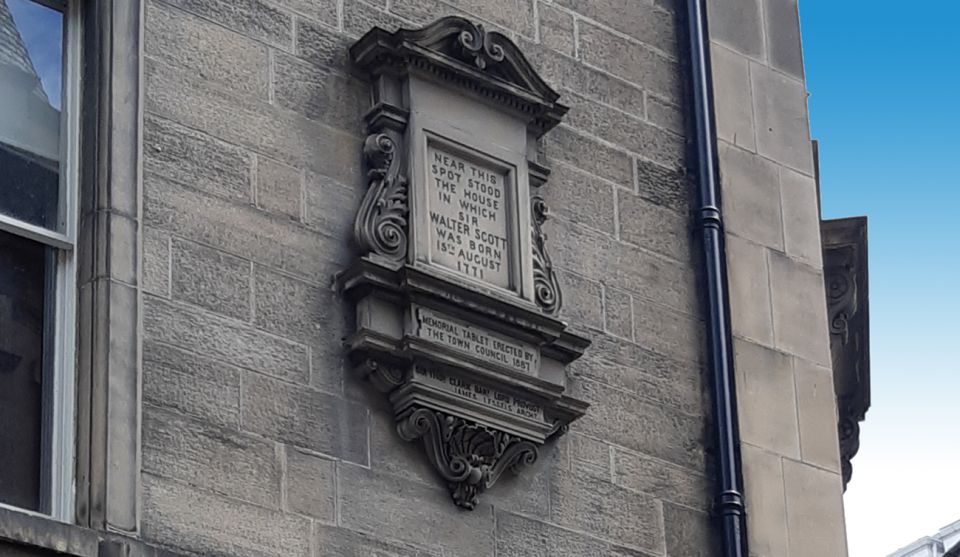
You meet in front of St Giles Cathedral on West Parliament Square, and then you work your way through the Old Town toward the finish. The whole tour lasts about 2.5 hours, so you’ll want to plan for a steady pace and a few active moments.
Here’s what you should know before you go:
- Good walking shoes matter. The route is outdoors and the finish includes an uphill component.
- Weather planning matters more than usual in Edinburgh. Even if it starts okay, you could hit wind or rain near the end.
- There are toilet facilities half way and at the end, but don’t assume you can wait indefinitely. If you’re sensitive to crowds and walking, time your stops.
The tour is described as “great exercise for the brain and body,” and that’s fair. It’s not meant to be tiring in an exhausting, academic way. Still, it’s not a slow sit-and-listen experience. You’ll walk fairly quickly and eventually climb Calton Hill.
If you’re wondering about hearing or mobility fit: it’s not suitable for hearing-impaired people per the provided info, and it’s also listed as not suitable for kids under 10 and for people over 80 (with additional upper-age constraints also stated). If any of that applies, it’s worth thinking twice.
Old Town landmarks: how the tour uses statues as story engines
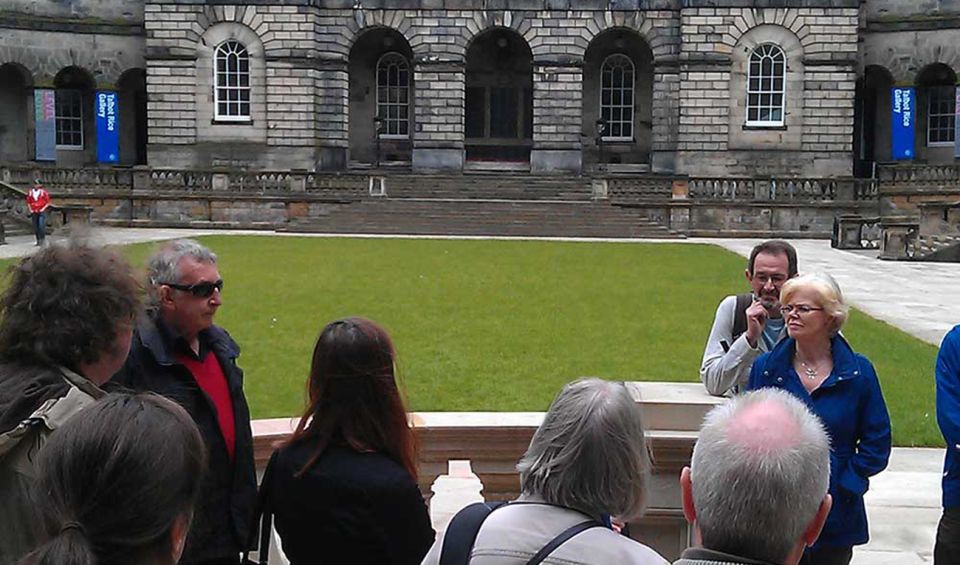
The heart of the experience is the sequence of statues and landmarks around the Royal Mile and the surrounding Old Town. That’s the smart trick: a statue is a message in stone, and the guide uses those messages to explain how the Enlightenment looked in public life.
Instead of only saying what famous figures contributed, the tour focuses on what kind of people they were. That approach changes how you remember them. Instead of names fading after the tour, you keep an image—how they sounded, what made them notable, and why they became symbols.
You’ll also learn that Edinburgh’s city-center identity is tied to the period’s thinking about progress and society. The route touches on multiple topics tied to the Enlightenment era, but it stays practical. You’ll hear stories, you’ll connect them to the places, and the route helps you understand the city’s layout as part of its intellectual history.
Culloden near Inverness and why it shows up in an Enlightenment walk
One of the tour’s most striking sections connects Scotland’s political violence to the wider Enlightenment context. The story centers on Culloden, described in the tour as a slaughter near Inverness: 1,600 men died for the government side, with about 1,500 Jacobites fighting, and roughly 1,000 fighting for the Duke of Cumberland. On the Jacobite side, the tour notes that about half were Scottish clansmen, and the rest were mostly Irish, Welsh, and French.
That’s heavy material for a walking tour, and the key is that the tour doesn’t throw the facts at you and move on. It frames the question: why did it happen, and how does that connect to the broader Enlightenment moment Scotland was living through?
Even if you don’t leave with a perfect mental diagram of all the causes, you’ll come away understanding that the Enlightenment wasn’t floating in a vacuum. Power, identity, and conflict shaped the society that thinkers were trying to explain and reform. The tour even hints at big fault lines—royal claims, dynasties, religions, and countries—so the discussion feels wider than one battle.
Practical note: if you prefer light themes only, know that this segment is part of the schedule. It’s one reason this tour feels memorable rather than generic.
The Enlightenment themes: philosophy, economics, literature, education, medicine
The tour touches lightly on a set of topics Scotland became known for during the Enlightenment period: philosophy, economics, literature, architecture, education, and medicine.
What I like about this selection is that it spans more than “books.” You get the sense that Enlightenment thinking touched how people built cities, taught children, and treated illness. That helps you see Edinburgh as a place shaped by ideas, not just a place that hosted thinkers.
The guide’s style is also important here. The tour is described as nothing too academic or tiring, which is exactly what you want if you want context without losing energy. You can follow along even if you’re not a philosophy student.
In my view, that makes the tour a great first stop on a Scotland intellectual-history visit. You don’t have to decide in advance what you want to know. The tour gives you a map of themes, then your own curiosity can take over after.




Scotland and America: the connection that gives the tour extra lift
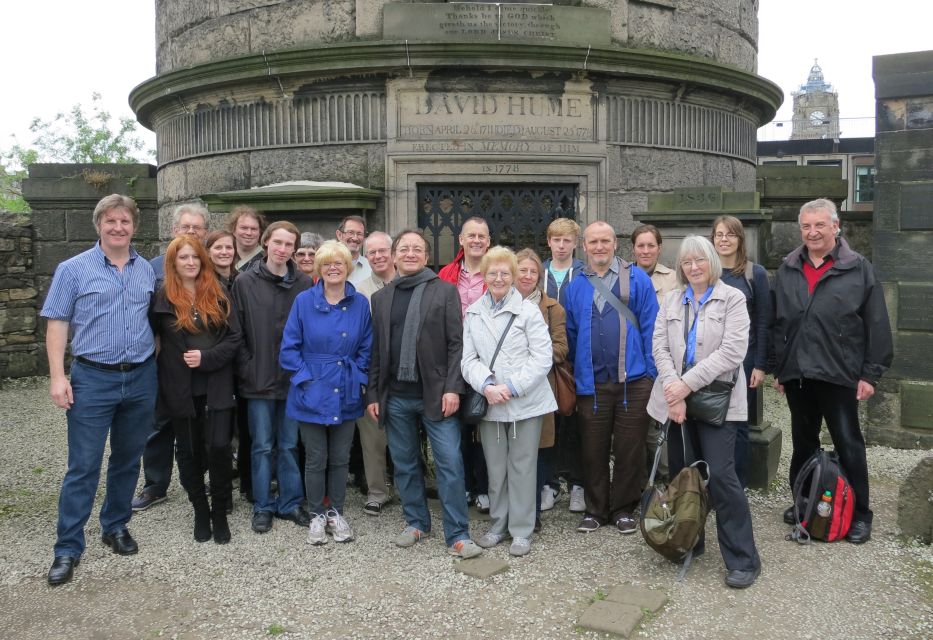
Another highlight in the tour description is the strong connections between Scotland and America. That’s a detail I really appreciate, because so many European history tours keep the story inside European borders.
When the guide ties Scottish ideas to American influence (or echoes of Scottish thinking), it adds an extra layer of meaning. You’re not only learning what happened in Edinburgh. You’re seeing why this city’s intellectual energy mattered beyond its own streets.
Even better, the tour frames connections through people and landmarks, which means you’re less likely to forget it. You don’t just get a fact. You get a path through the city that keeps the connection anchored in something you can picture.
Calton Hill finish by Princes Street: a worthwhile climb with real weather risk
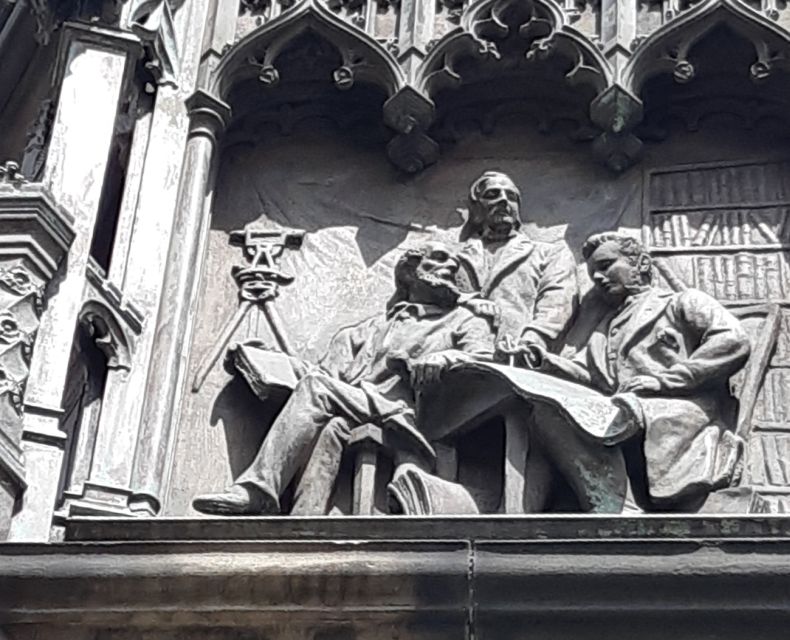
You end up at Calton Hill, in the East End of Princes Street. That finish matters because it changes the whole feel of the tour. You’re not only in historic Old Town streets; you end with a view and a different scale of space.
Just remember the tour includes an eventual climb. That’s fine if you’re used to walking in uneven terrain and don’t mind going uphill near the end. If you’re more comfortable with flat routes, this is your moment to judge whether your body matches the plan.
Weather is the other reality. One of the best pieces of practical encouragement I can give you is simple: dress for the day you get. The tour specifically advises waterproof coat if necessary, plus sunglasses and umbrellas. That’s not overkill in Edinburgh. It’s the difference between enjoying the finish and rushing through it.
The good news: once you finish, you’re free to explore further from Calton Hill onward. So even if the weather makes you shorten your plan, you still get a satisfying end-point.
Guide quality is a big part of the value
This tour runs with an English live guide. In the experience descriptions, guides like Jack and Tommy are highlighted as exceptionally strong: knowledgeable, clear, entertaining, and able to make the stories land without getting heavy.
That matters for you because the tour is built on explanations. If the guide can keep the tone lively—funny when appropriate, serious when needed—you’ll feel like you’re getting more than information. You’ll feel like you understand why the city chose to remember certain people in stone.
You’ll also get translated sheets if you request them in advance, including French, German, Italian, and Spanish. If English isn’t your first language, that’s a real quality-of-life detail.
Price and value: does $33 buy you enough?
At $33 per person for about 2.5 hours, the value depends on what you want. If you’re paying only for a view, you could do that for less on your own. But you’re not just paying for a view. You’re paying for a guided route that explains the Scottish Enlightenment through the city’s actual monuments.
What you get for the money:
- a structured walking route starting at St Giles Cathedral
- a live English guide who connects people and ideas to what you see
- a format that stays understandable (not overly academic)
- optional translated materials when requested in advance
For many visitors, that’s exactly the sweet spot: enough guided context to make Edinburgh click, while still letting you keep moving and exploring.
Who this tour fits best (and who should skip)
This tour is a strong match if you want history with momentum. You like learning through place. You enjoy stories about people, not only concepts. And you’re okay with some walking and an uphill finish.
It’s listed as not suitable for:
- children under 10
- people over 80 (and there are additional upper-age constraints)
- people with respiratory issues or high blood pressure
- people with low level of fitness
- hearing-impaired people
If any of those apply, I’d treat this as a clear sign to choose a different Edinburgh walk that matches your needs. It’s better to pick an experience you can enjoy fully than force yourself through a route that doesn’t suit your body.
Should you book this Royal Mile Scottish Enlightenment walk?
I think you should book it if you want Edinburgh to make sense beyond architecture and street scenes. This is a city where ideas are visible, and this tour helps you read them. I’d especially recommend it if you care about how the Enlightenment shaped everyday thinking—economics, education, medicine, and the way public memory works through statues.
Skip it if you don’t want any uphill effort at the end, or if you need an experience that’s slower and less physically demanding. Also, if you prefer strictly light content, know that Culloden and its context are part of the narrative.
If you’re on the fence, here’s the practical way to decide: ask yourself whether you want a guided story that connects Scotland, Europe, and America through real Edinburgh landmarks. If yes, this $33 walk is likely a good use of your time.
FAQ
FAQ
Where does the tour start?
Meet in front of the entrance to St Giles Cathedral, West Parliament Square.
How long is the Edinburgh Royal Mile Scottish Enlightenment walking tour?
The tour lasts about 2.5 hours.
What is the walking route like?
You start at St Giles Cathedral, walk through Edinburgh’s Old Town, and finish at Calton Hill, in the East End of Princes Street. The tour eventually includes climbing Calton Hill.
Are toilet facilities available during the tour?
Yes. Toilet facilities are available half way through and at the end of the tour.
Is the tour suitable for children?
No. It is not suitable for children under 10.
Does it offer translations?
Translated sheets are available for French, German, Italian, and Spanish if required. Advance notice is required.
What should I wear or bring?
Bring outdoor clothing. Wear good walking shoes, and dress for the weather (sunglasses and umbrellas are suggested). A waterproof coat may be needed.
Who should not book this tour?
It is not suitable for people with respiratory issues, people with high blood pressure, people with low level of fitness, and hearing-impaired people. It is also not suitable for people over certain age ranges listed by the provider.