REVIEW · EDINBURGH
Edinburgh – Dark History
Book on Viator →Operated by All-Star Guides · Bookable on Viator
Edinburgh at night has a sharper edge. This Dark History walking tour turns the Royal Mile into a living timeline, moving from the city’s justice system to plague-era problems and graveyard legends. I love how the stories stay anchored to real street spots, so you can look at Heart of Midlothian and St Giles and instantly understand why they mattered. I also like the pace: the guide keeps you moving while the facts, and the dark characters, build step by step.
One trade-off: it is a night walk in old stone streets, so plan for weather and a decent amount of walking. If you hate cold drizzle or long standing times, bring layers and accept that the schedule moves outdoors.
In This Review
- Key things to know before you go
- Walking the Royal Mile With Dark Stories That Feel Grounded
- Heart of Midlothian: The Tollbooth Behind the Famous Name
- St Giles Cathedral: Secret Corners and the Burial of a Controversial Figure
- Mercat Cross: The Execution Site at the Center of Civic Life
- Down the Royal Mile: Plague, Sanitation, and a Strange Tradition
- John Knox House Museum: The 16th-Century Look You Can Still See
- Canongate Kirk: Graves, Body Snatchers, Cannibals, and the Birth of Ghost Stories
- Practical Tips for Getting the Most From This Dark History Walk
- Value: Why This $22.19 Tour Makes Sense
- Who Should Book This Dark History Tour
- Should You Book It?
- FAQ
- How long is the Edinburgh Dark History walking tour?
- Where does the tour start and end?
- What language is the tour offered in?
- Is there a mobile ticket?
- Are admission fees required at the stops?
- Can I get a full refund if my plans change?
Key things to know before you go
- Royal Mile, one focused story thread: crime, punishment, and public life, tied to specific corners of Edinburgh.
- Major landmarks, short stops: you get quick context at each site without a long detour grind.
- Free stop entries mentioned on the route: several points are marked admission ticket free, so you are not scrambling for extra fees.
- Not just jump-scares: the tone leans more history lesson than full-on ghost tour, even when it gets spooky.
- Small group feel: capped at 30 people, with a setup that keeps the walk from feeling crowded.
- Guides with punchy storytelling: multiple guides like Robert, Joe, James, Kieran, Lydia, and Chris show up in the guide style, and the humor often lands with the history.
Walking the Royal Mile With Dark Stories That Feel Grounded

This is a straightforward walking tour with a clear purpose: show you how Edinburgh handled law, sickness, and social fear—using the city’s most recognizable Old Town anchors. You start at West Parliament Square and end at Canongate Kirk, so you’ll cover a classic Old Town line from the political heart toward the Canongate side.
The best part is that the darkness comes from what the city actually did to people, not from vague spooky atmosphere. You hear about notorious places tied to imprisonment, executions, and the way public order was enforced. Then you get the human angle: why certain buildings became symbols, how rumors grew, and how later writers and traditions helped shape what you see today.
Plan to be outside the whole time. Reviews repeatedly bring up cold evenings and drizzle, and that matches what you should expect when you’re on the Royal Mile after sunset. Bring a warm layer, a rain layer, and shoes that handle uneven cobbles.
You can also read our reviews of more historical tours in Edinburgh



Heart of Midlothian: The Tollbooth Behind the Famous Name
Your first major stop is Heart of Midlothian, the former site of the Old Tollbooth. This is one of those Edinburgh locations that looks like it belongs to a postcard—but historically, it was tied to the city’s harshest machinery of punishment.
You’ll hear about characters who were imprisoned and/or executed there, and you’ll also learn how the story of the building traveled forward. One detail I particularly like: the way it became associated with Sir Walter Scott through the Hard of the Midlothian connection. It’s a good reminder that history is not just what happened—it’s also how later culture retold it.
Why this stop is worth it: it gives you a framework for the whole walk. Once you understand what the Tollbooth represented, the later sites stop feeling random. They become parts of one system: authority, fear, spectacle, and control.
St Giles Cathedral: Secret Corners and the Burial of a Controversial Figure
Next is St Giles’ Cathedral, and the tour angle here is clever: what seems like a routine spot near the cathedral can hide the bigger story. You’ll also focus on burial history tied to a controversial figure in Scottish history, which adds a layer beyond the usual Edinburgh sightseeing checkbox.
This stop also brings in a specific kind of macabre detail: you hear about a literal killing machine that was once kept inside St Giles Cathedral. That’s the moment the tour fully leans into its Dark History promise—without turning into pure gore for gore’s sake. It’s presented as part of how justice and punishment operated, not just as shock value.
What I appreciate: this isn’t only about one dramatic artifact. It’s about how places of worship and power overlapped. When you look around after the explanation, you start noticing how public buildings were used as stages for city life, not just religious ceremonies.
Mercat Cross: The Execution Site at the Center of Civic Life
At Mercat Cross, the tour widens from the building level to the street level. This is another execution-linked point, but the guide doesn’t treat it as a random scary stop. You’ll hear why Mercat Cross was important to the life of the city—and how the idea of public punishment was woven into the rhythm of everyday attention.
The message here is practical and unsettling: the city didn’t hide punishment. It staged it. And that staging shaped behavior—socially and politically.
Even if you prefer lighter travel stories, Mercat Cross is a good choice because it explains the mechanics of authority. You come away understanding how public spaces functioned like media. People learned fear the same way they learned announcements: in the middle of town.
Down the Royal Mile: Plague, Sanitation, and a Strange Tradition
Then you walk down the Royal Mile while the guide connects the city’s darker eras—especially the Black Plague—to daily conditions. The tour brings up poor sanitary conditions and how they played a role in city life. That matters because it shifts the definition of dark history. It’s not only about crime and executions. It’s also about how illness spreads when living conditions are grim.
You’ll also hear about a peculiar tradition that grew out of those realities. The tour keeps it grounded in cause and effect: sanitation problems didn’t just make people sick, they changed how the city worked—and how people coped.
This part of the walk is also where you’ll appreciate the pacing. The time here is longer (you’re on the move), and the guide uses that stretching distance to keep you oriented. You’re not stuck listening at one spot; you’re learning while walking the spine of Old Town.





John Knox House Museum: The 16th-Century Look You Can Still See
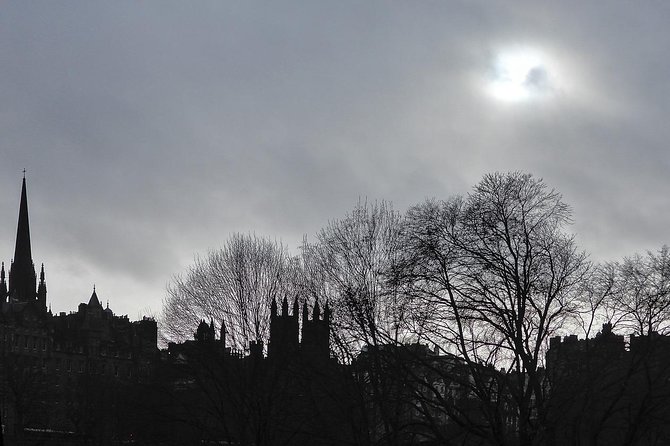
At John Knox House Museum, you get a different kind of payoff. Instead of only hearing about violence and punishment, you’re shown the architecture of 16th-century Edinburgh and pointed toward one of the more authentic-looking corners in the center.
Why I like this stop: it breaks the pattern. You go from the machinery of justice to the textures of daily life—stone, layout, scale. It helps you picture what the streets looked like when the darker events were happening, not just what the stories say happened afterward.
It’s also a smart mid-tour reset. The group is still in motion, but your brain gets a chance to rest from the most intense content. And you come back out with a stronger sense of place.
Canongate Kirk: Graves, Body Snatchers, Cannibals, and the Birth of Ghost Stories
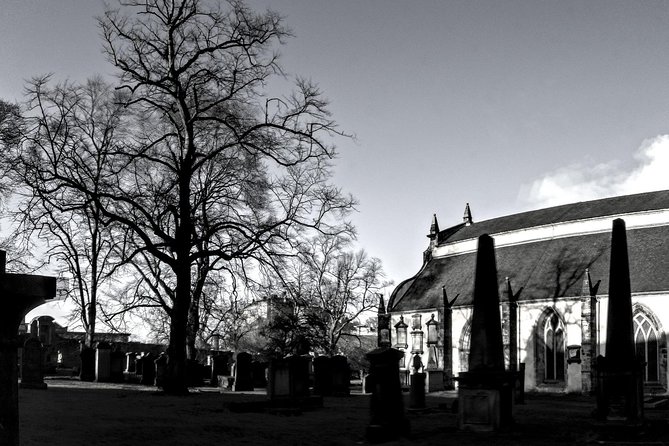
The end stretch shifts into Canongate Kirk, and this is where the tour leans into rumor and legend. You’ll wander among graves and hear about body snatchers and cannibals, plus how ghost stories are born.
I like how the guide frames this as cultural evolution rather than pure fantasy. Ghost lore tends to grow where there’s fear, secrecy, and unanswered questions. Even if you’re not a horror fan, this stop makes the supernatural stuff feel connected to real human behavior and real constraints around death.
And yes, the tone can feel spooky at night. But it’s the kind of spooky that comes from understanding the reasons behind the tales. You’re leaving not just with creepy ideas, but with a sense of how people in the past explained the unexplainable.
Practical Tips for Getting the Most From This Dark History Walk
A few small choices can make this tour way more enjoyable:
- Dress for standing in cold air. Edinburgh evenings can cut through layers, and the walk keeps you outside. A hat and gloves can be a lifesaver.
- Bring a rain layer, not just hope. The route is outdoors, and drizzle is part of the experience for many evenings.
- Wear grippy shoes. Old Town streets can be slick, uneven, and steep in spots. You’ll move more comfortably if your footing is solid.
- Go with a story mindset. This is not a passive stroll. Treat each stop like a scene: listen, look around, then mentally connect the next landmark.
- Expect humor mixed with darkness. The guides’ styles often include wit, which keeps the content from feeling like a lecture the whole way through.
Also, keep an eye on group energy. The tour caps at 30 travelers, which usually keeps the feel intimate enough to hear the details clearly. If you want a good view of the guide during explanations, position yourself so you’re not stuck behind taller people at each stop.
Value: Why This $22.19 Tour Makes Sense
At $22.19 per person for about 2 hours, this is strong value for a few reasons.
First, you’re paying for a guide who has structured a city walk into a readable sequence. You’re not just buying access to Old Town; you’re buying interpretation. In Edinburgh, that matters because many key sites look similar from a distance, and it’s the guide’s job to connect the building to the event.
Second, the tour leans into major landmarks—Heart of Midlothian, St Giles, Mercat Cross, John Knox House Museum, and Canongate Kirk—so you’re getting concentrated payoff in a short time window.
Third, the route includes stops marked as admission ticket free, which reduces the risk of surprise costs. Even if the exact entry details vary by stop and timing, the tour is clearly designed to keep the experience moving without making you hunt for extra tickets.
Finally, this is an ideal “fit check” tour. You’ll decide fast whether dark history storytelling is your kind of travel. If it is, you’ll want the rest of Edinburgh to make more sense afterward.
Who Should Book This Dark History Tour
Book this if you want Edinburgh to feel real, not sanitized. It’s great for people who like true crime vibes grounded in places, for history-minded travelers who prefer street-level storytelling, and for anyone who wants a night activity that doesn’t just repeat the usual pub-and-castle route.
You might skip it if you’re looking for a gentle evening walk with minimal horror themes. The tone does include very dark topics like imprisonment, executions, and body-related legends. It’s presented as history, but it still earns the Dark History label.
Should You Book It?
I’d book it if you’re in Edinburgh for even a short stay and you want one tour that makes the Old Town feel specific and memorable. The Royal Mile route keeps it easy to follow, the stops are meaningful, and the guide style—often with humor—helps the content land without turning into pure grimness.
If you go, show up prepared for night weather and a proper walking pace. Then lean in. This tour works best when you treat each corner like it has a story attached—because in Edinburgh, many do.
FAQ
How long is the Edinburgh Dark History walking tour?
It runs for about 2 hours.
Where does the tour start and end?
It starts at West Parliament Square (W Parliament Sq, Edinburgh EH1 1RF) and ends at Canongate Kirk (153 Canongate, Edinburgh EH8 8BN).
What language is the tour offered in?
The tour is offered in English.
Is there a mobile ticket?
Yes, it includes a mobile ticket.
Are admission fees required at the stops?
The listed stops show Admission Ticket Free.
Can I get a full refund if my plans change?
Yes. You can cancel up to 24 hours in advance for a full refund. If you cancel less than 24 hours before the start time, the amount paid is not refunded.