REVIEW · EDINBURGH
5-Day Tour to Isle of Skye, Oban, St Andrews and Highlands
Book on GetYourGuide →Operated by The Hairy Coo · Bookable on GetYourGuide
Skye in five days? Yes, and it moves. This 5-day Highlands loop packs famous scenery and real stops—from Loch Lomond to the Quiraing—using a small-group bus with a live English tour guide.
What I really like is how you get both big-photo moments and grounded history: I especially like the way the route ties places like St Andrews and Culloden to what you’re seeing on the ground. I also like the pace of breaks and short walks, so you’re not stuck on a bus every second. One consideration: this is a lot of driving and early starts, so if you want a slow, lounging trip, you may feel it in your legs.
In This Review
- Key Things To Know Before You Go
- Starting Line in Edinburgh: What Your Day 1 Actually Feels Like
- Loch Lomond to Oban: Loch Views, a Coronation Site, and Argyll Stops
- Glencoe, Glenfinnan, Fort William, and Loch Ness: Movie-Set Scotland with Real Air
- Isle of Skye Day 3: Trotternish, Quiraing, and the Kind of Views You Plan Around
- North Highlands on Day 4: North Coast 500 Stops That Make the Drive Worth It
- Clava Cairns, Culloden, and St Andrews: The Finale That Combines Views and Meaning
- Price and Value: What $428 Usually Covers (and What You Still Need to Budget)
- Comfort, Timing, and Footwear: Small Details That Change Your Trip
- Who This Highlands Tour Fits Best
- The Booking Call: Should You Book This 5-Day Loop?
- FAQ
- Where does the tour start in Edinburgh?
- What time do we get back to Edinburgh on the last day?
- How big is the group?
- What’s included in the price?
- Are meals included?
- Which activities are optional?
- What’s the deal with seasonality?
- Is this tour suitable for kids or mobility needs?
Key Things To Know Before You Go
- A small-group Highlands bus ride: Limited to 16 participants, and the operator notes groups over 8 should book as a private tour.
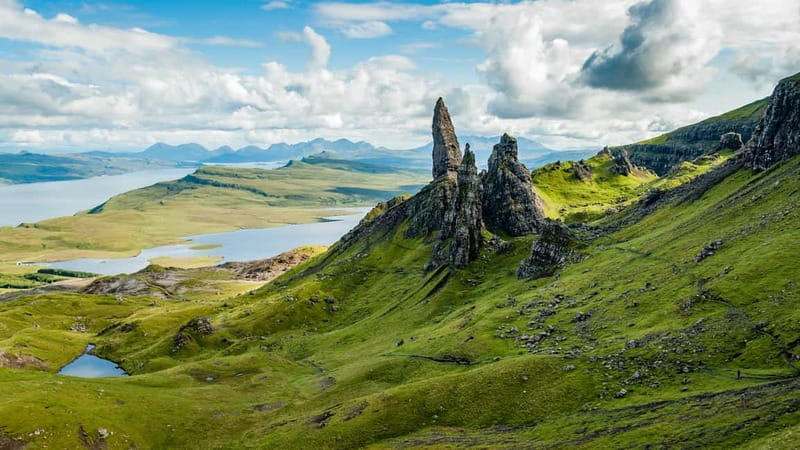
- Skye highlights hit the right places: Old Man of Storr, Kilt Rock, and the Quiraing are built into the day 3 flow.
- You’ll mix castles, battlefields, and distillery options: Eilean Donan Castle, Culloden Battlefield, and an optional Ben Nevis Whisky distillery stop.
- Season affects optional stops: Museum of Island Life and the Plockton seal cruise run April–October.
- North Coast 500 with stops that explain the geology: Corrieshalloch Gorge, Ardvreck Castle ruins, and Knockan Crag.
- Overnight bases are on you: Four nights in Oban, Portree, and Inverness are not included, so plan your lodging early.
Starting Line in Edinburgh: What Your Day 1 Actually Feels Like
The trip starts in Edinburgh with a very clear setup. Meet at 1759 Regent Rd in front of the Burns Monument. Check-in begins at 8:00 AM, and the bus leaves at 8:15 AM sharp. That early departure matters because the Highlands don’t wait, and the route is designed to get you out of the city while daylight is still on your side.
You travel in an air-conditioned bus with a driver and a live guide. For me, that combo is a big deal on Scotland road days: you’re not just transported—you’re pointed to what to notice, from viewpoint angles to the meaning behind place names. If you like having context while you’re moving through the scenery, this format works.
Also pay attention to what the tour says about timing on the last day. The estimated return to Edinburgh is 6:30 PM on day 5, and you should leave at least 2 hours after arrival for delays if you have onward plans.
You can also read our reviews of more tours and experiences in Edinburgh
Loch Lomond to Oban: Loch Views, a Coronation Site, and Argyll Stops
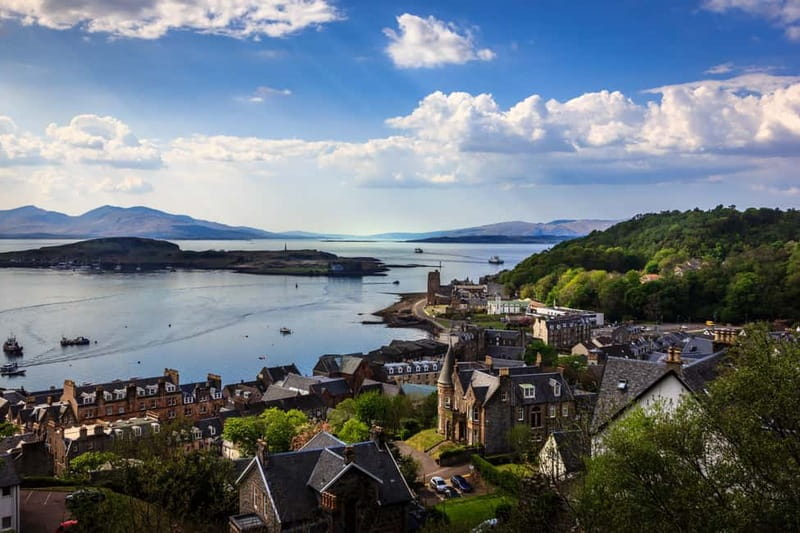
Day 1 is a steady ramp-up from Scotland’s Central Belt into Highlands scenery. You head north toward Luss on the shores of Loch Lomond, which is a classic start for a reason: you get water, hills, and an immediate sense of “this is different than the city.”
From there, the route crosses the steep pass known as Rest and be Thankful, in the village of Inveraray. It’s one of those stops that sounds like trivia until you’re staring at the road line and realizing how much effort the landscape makes drivers spend.
Then you shift into ancient-land mode. You’ll visit Dunadd Iron Age Fort, described as the coronation site of kings and queens of Dalriada. If you like early Scotland beyond castles built for visitors, this is one of those anchor moments. It’s not just a random ruin stop—you’re standing where power was claimed.
After a stop at Kilmartin, you drive through Argyll scenery to the fishing town of Oban, where you spend your first night. Oban is a smart choice for a base because it’s active enough to find dinner, but still feels like a genuine coastal town rather than a hotel strip.
Glencoe, Glenfinnan, Fort William, and Loch Ness: Movie-Set Scotland with Real Air
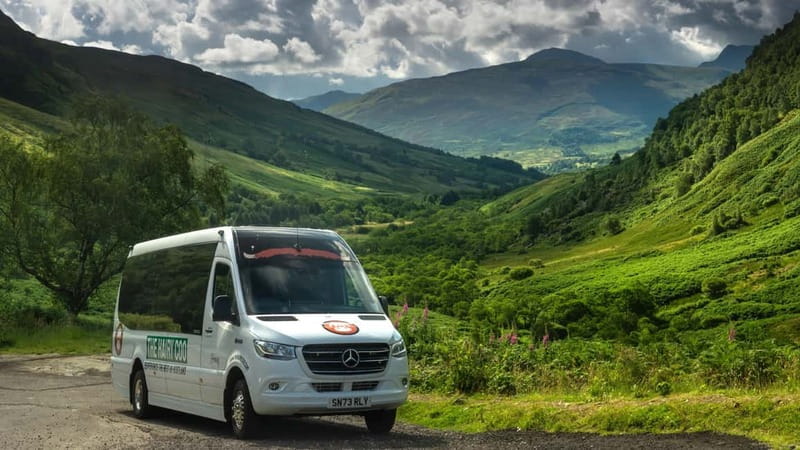
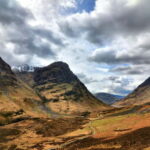
Day 2 turns into a hit list of Scotland that people carry home as photos. You’ll see Glencoe, including a short hike and photograph stop. Glencoe’s power comes from scale—steep sides, changing light, and the sense that the glen is tighter than it looks on a map.
Next is Glenfinnan Viaduct. This is one of those landmarks that feels like a set piece even before you tie it to film. The highlights mention filming locations connected to James Bond, Game of Thrones, and Outlander, and the route is arranged so you can connect the dots as you go.
Then you reach Fort William, where you can choose between an optional Ben Nevis Whisky distillery tour or a visit to Inverlochy Castle and Neptune’s Staircase. I like that the tour gives you a fork in the road here. If you want spirits, you’ve got a chance. If you’d rather stick to built heritage and engineering, you can. Either way, you keep moving through the Highlands rather than waiting around.
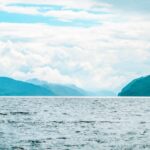
From Fort William, you arrive at Loch Ness for photos of Nessie. This isn’t a long “monster hunt” scene. It’s a photo moment that’s fun because the place does the heavy lifting: grey water, shoreline views, and misty-weather potential.
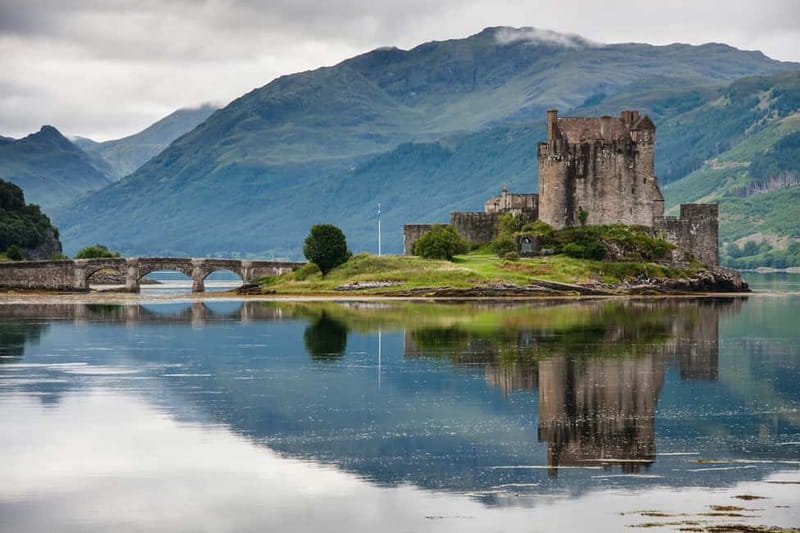
You then continue through Glenshiel and past the Five Sisters of Kintail before reaching the meeting point of three lochs—Loch Duich, Loch Long, and Loch Alsh—with Eilean Donan Castle in the background. That three-loch stretch is one of the reasons this whole itinerary works: it’s a dramatic payoff without you feeling like you skipped the story.
Isle of Skye Day 3: Trotternish, Quiraing, and the Kind of Views You Plan Around
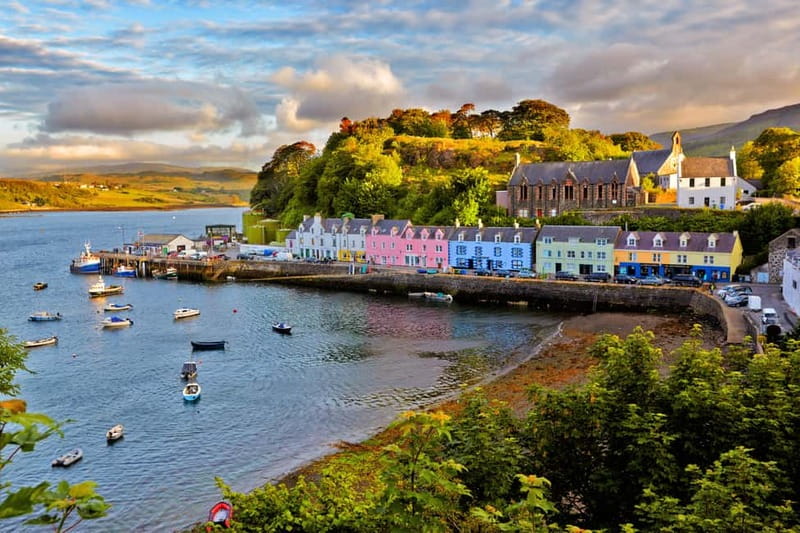
Skye is the main event here, and day 3 is built around the Trotternish Peninsula. You start with the Old Man of Storr, then move to Kilt Rock and the Quiraing. These are not interchangeable sights. Each one shows a different slice of Skye’s geology—edges, cliffs, and weird shapes that look like they belong in a different country.
What I like about this day is that you’re not just staring. The itinerary includes local folklore tied to how the landscape was created. Even if you’re not a “story person,” folklore gives you a mental framework while you’re watching the rock formations. It helps you stop treating the scenery like wallpaper.
You’ll also visit the Museum of Island Life, but note it’s optional and seasonal: it runs April to October. If you’re traveling outside that window, you won’t count on it, so plan your day around the outdoor viewpoints instead.
After that, the route loops around north Skye with views that extend east toward the Torridon Mountains and west toward the Outer Hebrides. It’s one of the few times in the trip where the itinerary clearly points you to distance—so you can sense how big Scotland is.
Then comes the Cuillin Mountains area, followed by travel through Kyle of Lochalsh to Plockton. Plockton gets an especially fun highlight: palm-tree lined scenery on Loch Carron. That’s a great lunch-stop vibe town—small, coastal, and visually distinctive.
In summer (April to October), there’s an optional seal spotting cruise along the coast from Plockton on Loch Carron. I recommend keeping this in mind because it’s the only real “time on water” moment, and that helps break up the drive-and-walk rhythm.
North Highlands on Day 4: North Coast 500 Stops That Make the Drive Worth It
Day 4 pushes into the North Highlands, and it does it with stops that explain why people chase this route. You begin at Corrieshalloch Gorge, described as Scotland’s deepest gorge. This is a stop where you can’t help but look over and think about scale again. The point isn’t a long walk; it’s the shock of height and depth.
Then you travel along the North Coast 500 route, passing towering peaks and moving toward Ardvreck Castle, which the route describes as an ancient ruin. Ruins are nice, but what makes this kind of stop valuable is that you’re also moving through a wide-open road system. You’re seeing why the NC500 became a bucket list.
Next is Knockan Crag, where the focus shifts to local geology. If you like “what am I looking at?” this part gives you at least some grounding. Even if you don’t remember every detail, you end up with better pattern recognition for the rock types and valley cuts.
You’ll also visit Ullapool—a pretty fishing town—then head after lunch to Rogie Falls. The description emphasizes cascading water plus gentle trails, which is exactly what you want here: enough walking to feel alive, not so much that you arrive exhausted after a full day of scenery.
You end the day by visiting Beauly, described as a former favorite town of Mary Queen of Scots, and then return to Inverness for your evening. Inverness is a practical base for the final stretch, and it keeps you closer to the route into Fife.

Clava Cairns, Culloden, and St Andrews: The Finale That Combines Views and Meaning
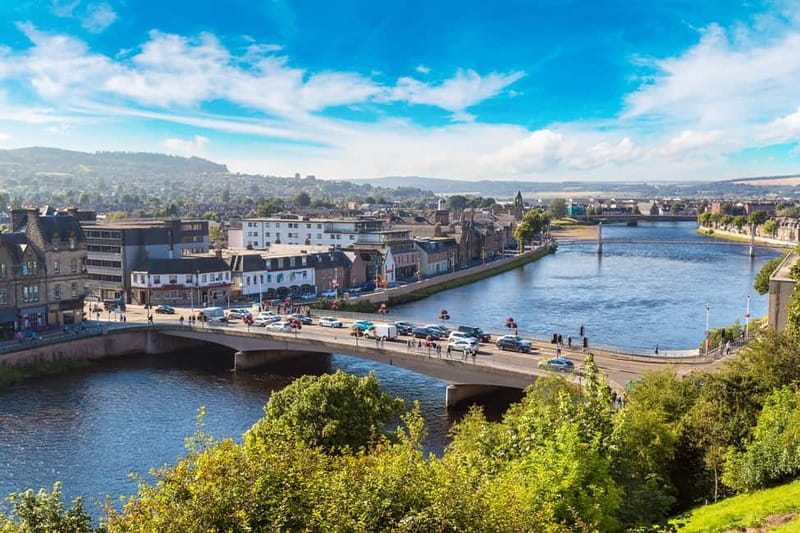
Your last day starts with Clava Cairns, with standing stones and burial chambers dating back around 4000 years. This sets a tone shift: less postcard, more “why people cared about this ground.”
Next is Culloden Battlefield, described as the last battle fought on British soil. This part of the itinerary has a serious weight. You’re not just collecting sights; you’re visiting a place tied to national turning points. It works best if you slow down a little and let the site do its job.
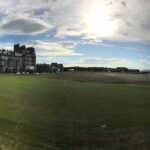
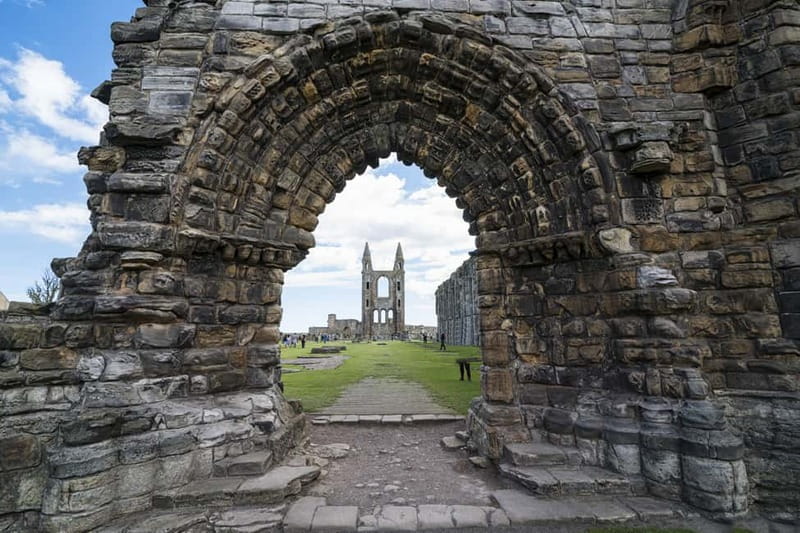
Then you pass through Cairngorms National Park, and finish in St Andrews. St Andrews is a strong way to land after the Highlands driving days because it gives you walking texture. You’ll see the medieval walled town, St Andrews University (Scotland’s oldest), and St Andrews Cathedral. An optional add-on includes the Cathedral Museum and Tower.
In the evening, the route heads through fishing villages of Fife and crosses the Forth Road Bridge back into Edinburgh. This is the kind of finish that feels like a transition: from rugged, historical Scotland to something calmer and more city-friendly.
Price and Value: What $428 Usually Covers (and What You Still Need to Budget)
The price is $428 per person for 5 days. What’s included is the big core: a driver and tour guide, a guided 5-day tour, and an air-conditioned bus. That means you pay for the routing, the interpretation, and the transport—exactly what costs add up fast to if you try to DIY this loop.
What’s not included is the stuff that can surprise people: meals and drinks, plus your four nights of overnight accommodation (in Oban, Portree, and Inverness). Optional activities—like the whisky distillery tour and the seasonal museum and seal cruise—also cost extra.
So the value question becomes simple: you’re paying for high-effort planning and a structured route across multiple regions. If you’re the kind of traveler who doesn’t want to coordinate drivers, tickets, and timing across a long circuit, the bus-based format is worth it. If you prefer independent travel and you already know where you’ll sleep and eat, you may compare the tour price to what you’d spend on hotels and rentals.
Practical tip: accommodation gets booked up quickly. The operator encourages you to arrange lodging early, and if you want their help, you can request recommendations directly.
Comfort, Timing, and Footwear: Small Details That Change Your Trip
This is not a “sit and read” day-by-day schedule. Even with short hikes and photo stops, the day structure is designed for movement. You’ll want to wear comfortable shoes and comfortable clothes. I’d treat these as non-negotiables rather than suggestions, because you’ll be stepping off the bus often.
If you’re thinking about food, remember meals aren’t included. One specific heads-up: the tour says it’s recommended you make a dinner reservation in Portree if you want a pub or restaurant, because it can get busy. It also notes you’ll arrive in Portree at about 18:30. That matters if you hate waiting around when you finally reach Skye’s area for evening time.
Also consider seasonality. The tour notes that routes can change from November to March. That affects which optional stops are available, and it’s one reason to check your departure date before locking in expectations.
Finally, this trip is for people who are comfortable with real touring days. It’s not suitable for children under 7, and it’s not set up for mobility impairments or wheelchair users.
Who This Highlands Tour Fits Best
This itinerary is a good match if you want to see a lot of iconic Scotland without turning your trip into a full-time admin job. It’s also ideal if you like nature plus interpretation—castle viewpoints, ancient sites, and geology stops—mixed with some fun Scotland identity stops like distilleries and folklore.
It can also work well for people who care about the cinematic side of Scotland. The route is explicitly designed around filming locations used in James Bond, Game of Thrones, and Outlander, so you’re not just walking past sets—you’re hitting the places that connect to those stories.
If you’re traveling with older kids or as a couple and you want a controlled pace with a guide, the small-group setup helps. Just know the bus days are real. If you want solitude and lots of free time at each stop, you might find the timing tighter than you’d like.
The Booking Call: Should You Book This 5-Day Loop?
Book this tour if you want a structured Highlands route that hits Isle of Skye, Oban, Inverness, and St Andrews with a guide who keeps the drive meaningful. It’s especially worth it when you factor in what you’re saving: planning time, transport coordination, and the headache of trying to stitch together too many far-apart regions on your own.
Skip it or adjust expectations if you want a relaxed pace, or if you’re sensitive to long driving days. Also make sure you’re comfortable with the walking level: the tour includes short hikes and gentle trails, but it’s still touring on uneven ground at scenic stops.
If you’re deciding now, I’d do three quick things: confirm which optional stops align with your dates, book lodging in your base towns early, and plan your last day timing carefully so a late arrival doesn’t wreck your connection out of Edinburgh.
FAQ
Where does the tour start in Edinburgh?
It starts at 1759 Regent Rd, Edinburgh EH8 8DR, in front of the Burns Monument. Check-in starts at 8:00 AM, and the bus departs at 8:15 AM sharp.
What time do we get back to Edinburgh on the last day?
The tour’s estimated arrival back in Edinburgh on day 5 is 6:30 PM. The operator recommends you allow at least 2 hours after the planned arrival time for delays.
How big is the group?
The tour is limited to 16 participants, and the operator notes they do not allow groups over 8 passengers (group bookings are asked to be made as a private tour).
What’s included in the price?
The price includes the driver and tour guide, a guided 5-day tour, and an air-conditioned bus. Meals and drinks are not included.
Are meals included?
No. Meals and drinks are not included, so you’ll want to plan where and when you eat at each stop.
Which activities are optional?
Some stops are optional, including a Scotch whisky distillery tour, the Museum of Island Life, a seal spotting cruise, and St Andrews Cathedral Museum and Tower.
What’s the deal with seasonality?
Some optional activities are seasonal. The Museum of Island Life and the seal spotting cruise run April to October. The route may also change from November to March.
Is this tour suitable for kids or mobility needs?
It’s not suitable for children under 7. It’s also not suitable for people with mobility impairments or wheelchair users.